
In the competitive landscape of modern business, standing out is crucial. One effective way to achieve this is through a captivating Lighted Logo. Renowned designer Mary Johnson, a leader in branding solutions, emphasizes, "A well-executed Lighted Logo can make your business unforgettable." This statement highlights the significant role of visual identity.
Many businesses underestimate the power of a lighted sign. A dimly lit sign may pass unnoticed, while a vibrant, well-lit logo draws attention even from afar. A Lighted Logo not only enhances visibility but also conveys professionalism and creativity. It is an essential tool for attracting customers.
However, not all lighted logos achieve the desired impact. Some fail to represent the brand effectively or become lost in the noise of their surroundings. Ignoring design principles can lead to a generic appearance. It’s vital to invest in quality and consider how your Lighted Logo aligns with your business identity. Reflection on these aspects will ensure that your logo serves its purpose well.
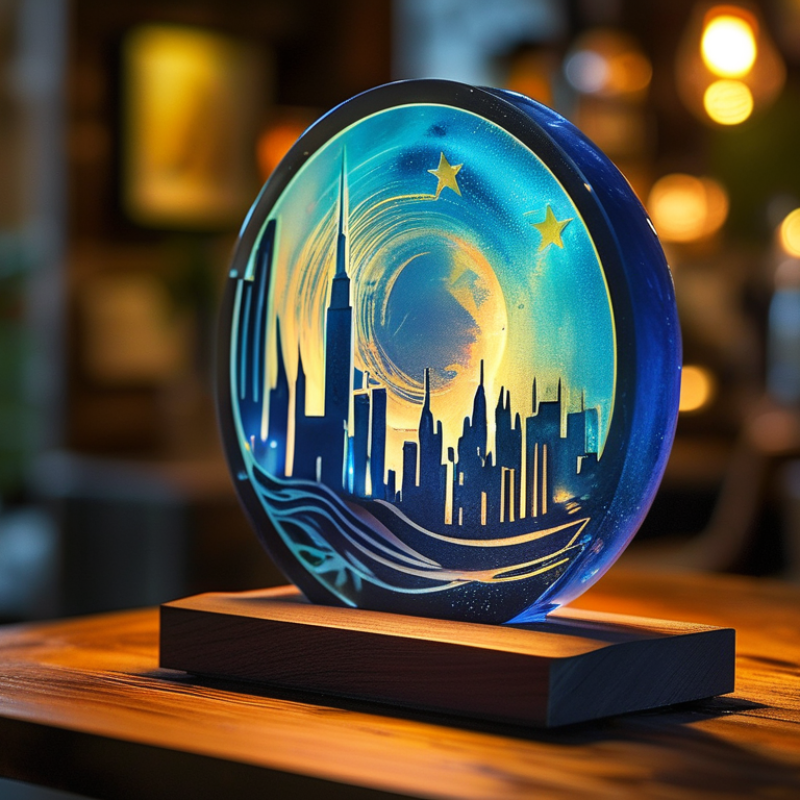
Lighted logo designs have become an essential aspect of modern business branding. They serve as a powerful visual tool that can enhance a company's visibility and attract potential customers. These logos often use LED technology to create vivid images that resonate with audiences, especially in low-light environments. Businesses can benefit greatly from these eye-catching designs, making a strong impression on passersby.
When considering a lighted logo, factors like placement and size are crucial. A well-placed logo can effectively capture attention in busy areas. However, choosing the wrong location or design can diminish its impact. It’s vital to evaluate the surrounding environment and traffic patterns to ensure the logo is seen. Additionally, materials used in lighted logos can vary, affecting durability and appearance. Finding the right balance between aesthetics and functionality is essential for long-lasting effectiveness.
Some businesses may overlook the importance of branding consistency across all platforms. A lighted logo should align with the overall brand image, reinforcing company values. Failing to do so might confuse customers, leading to a disconnect between visual and brand messaging. Investing time in research and exploration of design options can result in a more cohesive and appealing brand identity.
Lighted logos serve as dynamic visual anchors for brands. Their glowing presence captures attention, enhancing visibility, especially at night. This illumination symbolizes energy and creativity. When customers see a lighted logo, it often sparks curiosity. A memorable logo can lead to greater brand recall.
The importance of lighted logos goes beyond aesthetics. They create an emotional connection with viewers. When designed thoughtfully, they communicate a brand's personality. A well-crafted design can evoke feelings of trust and reliability. However, potential pitfalls exist. Overly complex designs may distract rather than attract. It is essential to maintain clarity, ensuring that the logo is easy to read from a distance.
Creating a lighted logo involves understanding your audience. Different designs resonate differently depending on your target demographic. Bright colors can convey excitement, while softer tones may suggest sophistication. Constantly reevaluating the effectiveness of your logo can lead to improvements. Finding a balance between creativity and clarity is vital in building strong brand recognition.
Lighted logo designs have become an essential branding tool for businesses of all sizes. These designs not only enhance visibility but also create a memorable impression. Different types of lighted logos serve various needs, integrating creativity with functionality.
One popular option is LED channel letters. These letters can be designed in custom shapes, allowing businesses to showcase their unique identity. The flexibility of colors and sizes makes these logos adaptable. Another option is backlit signage. This style adds depth and contrast, making the logo stand out, especially during nighttime. It can be mounted on walls or displayed in window fronts, drawing attention effortlessly.
However, it’s important to reflect on the placement and size of the lighted logo. A logo that is too small or poorly positioned may not effectively attract customers. Consider the surrounding environment and lighting conditions to ensure optimal visibility. This thoughtful approach helps in creating a balance between design and practicality. Ultimately, a well-executed lighted logo can significantly influence customer engagement and brand recognition.
| Design Type | Material | Lighting Method | Ideal Usage |
|---|---|---|---|
| Neon Sign | Glass Tube | Neon Glow | Retail Stores |
| LED Channel Letters | Acrylic | Backlit LED | Outdoor Signage |
| Illuminated Box Sign | Aluminum | Fluorescent or LED | Highway Visibility |
| Projecting Sign | Wood or Metal | LED | Restaurants |
| Backlit Wall Sign | Acrylic | LED | Indoor Branding |
Creating a lighted logo for your business can significantly enhance its visibility. A well-designed logo not only attracts attention but also communicates your brand identity. Consider the key factors that can make your logo stand out.
Focus on the materials used. High-quality materials can enhance durability and aesthetic appeal. LED lights are popular for their energy efficiency. Select colors that resonate with your brand message. Bright colors can grab attention, while softer hues offer elegance.
Tips: Ensure that your logo is easily readable from a distance. Simple fonts tend to work best in lighted designs.
When exploring successful lighted logo implementations, businesses can draw inspiration from various industries. For instance, a report from the International Sign Association indicates that illuminated signs can increase brand recognition by over 50%. These logos often serve as eye-catching focal points, especially at night. Companies frequently employ LED technology due to its energy efficiency and vibrant color options. In restaurant chains, lighted logos often invite patrons inside, successfully creating a welcoming atmosphere.
One compelling example includes a hotel that transformed its exterior signage. The hotel's switch to a dynamic lighted logo enhanced its visibility significantly. According to a study by the American Marketing Association, over 70% of consumers report noticing illuminated signs more than standard ones. This change not only improved traffic but also reinforced the hotel's brand identity. However, some businesses struggle with integrating lighted elements into their overall design cohesively. Striking a balance between creativity and brand consistency can be challenging.
Moreover, placement is critical. A poorly positioned lighted logo can go unnoticed. Data shows that logos placed at eye level are 90% more likely to engage passersby. Consequently, companies must test their signage placements in various environments. Thoughtful implementation often yields unexpected results, demonstrating the power of light in branding.
: Lighted logos attract attention and enhance visibility, especially at night. They create emotional connections with viewers.
Thoughtfully designed lighted logos can evoke trust and reliability. They communicate a brand's unique characteristics effectively.
Overly complex designs may distract viewers rather than attract them. Clarity is essential for effective logo recognition.
Bright colors convey excitement, while softer tones suggest sophistication. Understanding your audience's preferences is crucial.
Logos at eye level are 90% more likely to engage passersby. Poor placement can lead to logos going unnoticed.
Constantly reevaluating a logo's effectiveness can lead to necessary improvements. It’s important to find a balance between creativity and clarity.
Many brands see a significant increase in recognition with lighted logos. However, integrating lighted elements cohesively can be challenging.
Over 70% of consumers notice illuminated signs more than regular ones. This highlights the effectiveness of lighted logos.
Many businesses use LED technology for energy efficiency and vibrant colors. This choice enhances brand visibility greatly.
A compelling lighted logo can invite customers in. However, balance between creativity and brand identity is essential.
Lighted logos have become a vital element for businesses aiming to enhance their brand visibility and recognition. These illuminated designs not only captivate audiences but also create a memorable impression, making them an effective marketing tool. Understanding the importance of a lighted logo in conveying brand identity is essential, as it can significantly influence consumer perception and engagement.
When considering a lighted logo, businesses should explore various design types, such as backlit, neon, or LED options, each offering unique aesthetic and functional benefits. Key factors to consider during the design process include visibility, color schemes, and integration with existing brand elements. By examining successful implementations of lighted logos, businesses can gain insights into effective strategies that resonate with their target audience, further solidifying the role of lighted logos in contemporary branding efforts.
