
Choosing a Neon Light for a global project means balancing appearance, durability, installation, and total cost. Buyers may compare traditional glass neon, flexible LED neon, and custom acrylic signs with illuminated lettering. Each creates a different effect. Glass offers a crisp, handcrafted glow, but needs careful packing and skilled installation. LED neon flex is lighter, typically easier to shape, and often suited to retail displays, reception walls, and event graphics. Acrylic backing can make logos cleaner to mount, though it changes the look from a continuous tube.
This guide compares common neon formats by brightness, power use, mounting needs, and maintenance expectations. For international orders, confirm operating voltage, plug type, environmental rating, packing method, lead time, and warranty directly with the supplier. Ask for product specifications and clear installation instructions, then check which safety marks or documents apply in your destination market. Small samples matter. A warm-white sample against your wall can look unlike product photos. Outdoor use calls for more than a bright image. Seals, cable exits, mounting points, and local weather all affect service life. Compare quoted brightness and power data, not adjectives alone. A low purchase price may become expensive after replacement labor. That said, premium materials do not automatically suit every brief. For temporary displays, flexibility and quick setup may matter more than long service life. For permanent storefronts, repair access and spare components deserve attention. This is where buyers can misjudge. The best type depends on the sign’s location, viewing distance, and daily operating hours. No single option wins everywhere. Use the following sections to match each format with a real project, then request a sample or drawing before approving production.
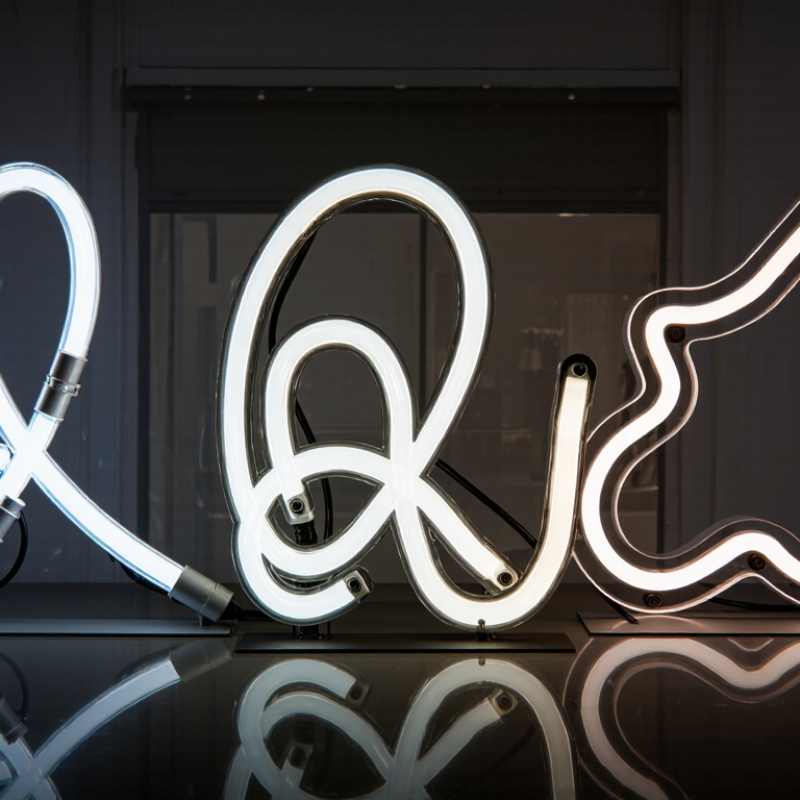
Neon lights create color through two different technologies. Traditional neon signs use sealed glass tubes containing low-pressure gas. Electrodes apply a high voltage, exciting the gas and producing light. Pure neon typically glows red-orange; other colors may come from different gas mixtures or phosphor coatings inside the tube. The glass is shaped by hand, then connected to a power supply. It is bright, but fragile. Not every glowing tube contains neon.
LED neon flex works differently. Small light-emitting diodes sit inside a flexible, colored diffuser, which spreads their light into a continuous line. No gas discharge is involved. The distinction matters when comparing brightness and energy claims. The U.S. Department of Energy’s 2022 Solid-State Lighting R&D Opportunities report notes that leading LED packages exceeded 200 lumens per watt in laboratory performance. That figure describes the LED package, not a finished sign. Diffusers, drivers, heat, and installation can reduce actual output. A warm tube on a shop window may therefore look softer than its specification suggests. Check the complete sign’s measured power and brightness, not just the LED’s headline efficiency.
In 2026, buyers will mainly encounter three types: traditional glass neon, LED neon flex, and cold-cathode lighting. Traditional neon uses shaped glass tubes filled with gas. Skilled fabricators bend each tube to create letters or outlines, producing a distinctive, continuous glow. It suits signs where color and craft matter. The glass is fragile, though, and installation needs careful planning.
LED neon flex places small LEDs inside a diffusing silicone or PVC sleeve. It is lighter, easier to shape, and commonly available in single-color or programmable versions. A smooth diffuser helps reduce visible light dots, but the result still differs from glass neon. Check the bend direction, power supply requirements, and stated protection rating before specifying it outdoors. Small details matter.
Cold-cathode lighting also uses sealed glass tubes, but its construction and operating characteristics differ from conventional neon. It can work well for architectural outlines and larger installations, where uniform light is important. The choice is not always neat. A flexible strip may be simpler to install, yet it may not deliver the same handcrafted appearance. Ask for a sample, inspect the glow in the intended setting, and confirm how components can be serviced.
Typical service-life ranges vary with product quality, operating conditions, and installation. The glass-neon estimate converts an approximate 7–14-year service life at 8 operating hours per day into hours; LED figures are commonly published rated-life ranges, not guarantees.
For global buyers, material choice shapes how a neon light looks, performs, and ages. Traditional glass neon uses shaped glass tubes filled with gas. It creates a continuous glow, with smooth bends and bright color that can be striking in a dim shop window. Each tube is fragile, though, and installation needs suitable electrical components and careful handling. Repairs may require a skilled technician.
LED neon flex uses small light-emitting diodes inside flexible silicone or plastic housing. It is generally lighter, easier to mount, and less vulnerable to breakage during shipping. Yet the light can look more segmented around tight curves, especially when viewed close up. Check the bend radius, cut points, and driver access before approving a design. Small details matter.
Lifespan depends on more than the light source. Heat, long daily operating hours, moisture, poor ventilation, and low-quality power supplies can shorten service life. Glass tubes may remain usable for many years when properly made and maintained; LED products also vary widely by component quality and conditions. A quoted lifespan is a guide, not a promise. Ask for test conditions, warranty terms, and replacement-part availability. One trade-off is easy to overlook: a cheaper sign can cost more if its driver is difficult to replace.
| Light Type | Main Materials and Construction | Typical Power and Input | Light Output and Color | Typical Service Life | Outdoor Use and Maintenance | Best-Fit Applications |
|---|---|---|---|---|---|---|
| Traditional glass neon | Hand-shaped glass tubes filled with neon or other gases; electrodes are sealed at each end. Some colors use phosphor coatings or different gas mixtures. | High-voltage AC supplied by a compatible transformer. Power varies with tube length, diameter, gas, and installation design. | Bright, continuous light with a distinctive glow. Neon gas produces red-orange light; other gases and coatings can produce additional colors. | Often around 30,000–50,000 operating hours for a well-designed, properly installed system; electrodes, transformer, and operating conditions affect results. | Can be used outdoors with suitable electrical protection and weather-resistant installation. Fragile glass requires careful handling; repairs should be performed by trained specialists. | Custom signage, architectural accents, and projects where the classic glass-tube appearance is important. |
| LED neon flex | LEDs mounted on a flexible circuit board inside a shaped silicone or PVC diffuser; available in different bend directions and profiles. | Commonly 12 V or 24 V DC. Many products draw roughly 5–15 W per meter, depending on LED density, brightness, and design. | Even neon-style lines in many colors. RGB or RGBW versions can produce changing colors when paired with a compatible controller. | Typically rated around 30,000–50,000 hours to a stated output-maintenance level, often L70; actual life depends on heat, driver quality, and usage. | Outdoor suitability depends on the complete product and installation rating. Sealed versions can resist weather, but connectors and cut ends need appropriate protection. Low-voltage systems still require a correctly rated power supply. | Retail signs, indoor décor, vehicle displays, architectural outlines, and installations needing lower-voltage operation. |
| Electroluminescent (EL) wire | A phosphor-coated copper core with a fine outer electrode, insulating layers, and a colored plastic jacket. It emits light when driven by alternating current. | Low power, often roughly 0.1–0.5 W per meter. Usually needs a small inverter to convert battery or DC power to the required AC output. | Soft, relatively uniform glow in thin lines. Generally less bright than glass neon or LED neon flex, particularly in bright environments. | Often several thousand hours; brightness gradually decreases with use. Inverter life and operating conditions also affect system life. | Some jacketed products tolerate light outdoor use, but connectors and inverters may need protection. Not ideal for applications requiring high brightness or long-term outdoor exposure without a suitable rating. | Costumes, props, event décor, portable displays, and decorative outlines where flexibility and low power use matter more than brightness. |
| Cold-cathode fluorescent lighting | Glass discharge tubes with electrodes and a gas fill; many colored versions use phosphor coatings. It is related to fluorescent lighting but operates with cold cathodes. | Requires a compatible high-voltage power supply. Consumption varies by tube dimensions, output, and system configuration. | Continuous, smooth light with a range of available colors. Color depends on the gas fill and, where used, the phosphor coating. | Commonly rated in the tens of thousands of hours, with life varying by electrode design, power supply, switching, and operating conditions. | Glass tubes are breakable. Outdoor use requires a suitably protected installation and power supply; servicing may require specialist knowledge. | Architectural features, display lighting, and custom installations where a continuous tube effect is desired. |
Comparison note: Figures are typical ranges, not guarantees. Rated life, power consumption, brightness, and outdoor suitability vary by product design, installation, operating temperature, duty cycle, and local electrical requirements. Check the product’s technical data sheet and applicable certifications before purchasing.
LED neon flex suits shopfronts, hotel façades, and event spaces that need bright outlines with simpler mounting. Its flexible tubing can trace lettering and curves, while low-voltage operation often makes installation easier than glass systems. For outdoor use, check the complete sign’s weather rating, connectors, and power supply—not just the tubing. A rainy climate will expose weak points quickly.
Traditional glass neon works best when a warm, continuous glow is central to an interior, such as a restaurant feature wall or a carefully designed lobby. It can create depth that some LED versions do not quite match. But glass is fragile, and installation needs a qualified specialist. It is not an easy choice for a frequently moved display.
Acrylic neon-style signs are useful for indoor counters, reception desks, and lightweight directional displays. They are generally easy to mount and can carry crisp shapes, though their light may look flatter from the side. Check visibility under the actual room lighting. A sample helps. Buyers should also confirm local voltage compatibility, dimming support, mounting space, and replacement-part availability before ordering. These details are easy to overlook, and no single type suits every site.
Choosing the right neon light begins with its setting, not its shape. Traditional glass neon suits detailed lettering and a distinctive glow, but it needs careful handling and specialist installation. LED neon flex is lighter and easier to route around tight corners. Acrylic-backed signs can create crisp indoor graphics, though they may not deliver the same continuous tube effect. Measure the full run. Include bends.
For energy planning, the U.S. Department of Energy’s Energy Saver guidance says LEDs use at least 75% less energy and last up to 25 times longer than incandescent lighting. This is a useful benchmark, not a direct comparison between LED neon flex and glass neon. Ask suppliers for actual wattage per metre, brightness data, dimming compatibility, and expected operating life. Wattage alone can mislead.
Match the product to the installation. Check the required voltage, power supply, mounting surface, and suitable ingress protection rating for the intended environment. For a storefront, inspect a sample after dark; colors can look different under nearby streetlights. Request wiring diagrams and relevant test documents for the destination market. A detail buyers sometimes overlook is repairability: a long sign may be difficult to service if one section fails. Consider it before approving the final drawing.
No. Traditional glass signs use low-pressure gas, while LED neon flex uses diodes inside a diffuser. Not the same technology.
Pure neon typically produces a red-orange glow. Other colors may come from different gas mixtures or phosphor coatings inside the glass tube.
Not necessarily. Brightness depends on the complete sign, including its diffuser, driver, heat, and installation. Check measured output, not just LED package figures.
LED neon flex is generally lighter and less prone to breakage. Glass tubes can be fragile and need careful handling. A dropped box changes things.
It can bend, but tight curves may look segmented when viewed close up. Check the bend radius and cut points before approving a design.
There is no guaranteed lifespan. Heat, moisture, ventilation, daily operating hours, and component quality all affect service life. Ask how tests were conducted.
Ask whether the power supply, or driver, can be accessed and replaced. Also check repair options for glass tubes; skilled help may be needed.
Not always. A difficult-to-replace driver can add future costs. Compare warranty terms and parts availability, not only the purchase price.
Neon lights create illumination by passing electrical energy through gas-filled tubes or by using light-emitting diodes arranged inside flexible diffusers. In 2026, the main options include traditional glass Neon Light tubing and LED neon flex, with variations in color, shape, brightness, and installation style. Glass designs produce a distinctive glow and can suit decorative or architectural features, while LED versions are lightweight, flexible, and often easier to install in signs, interiors, and outdoor displays.
The best choice depends on the project’s setting and priorities. Materials and construction affect durability, energy use, maintenance, and expected service life, so buyers should compare these factors rather than choosing by appearance alone. Global buyers can also consider required dimensions, color consistency, weather exposure, power compatibility, installation needs, and supplier support. Matching the light type to its intended application helps balance visual impact, practical performance, and long-term value.
