
10 Pylon Sign Buying Tips for Global Buyers

Time:2026-10-26 Author:Liam
0%

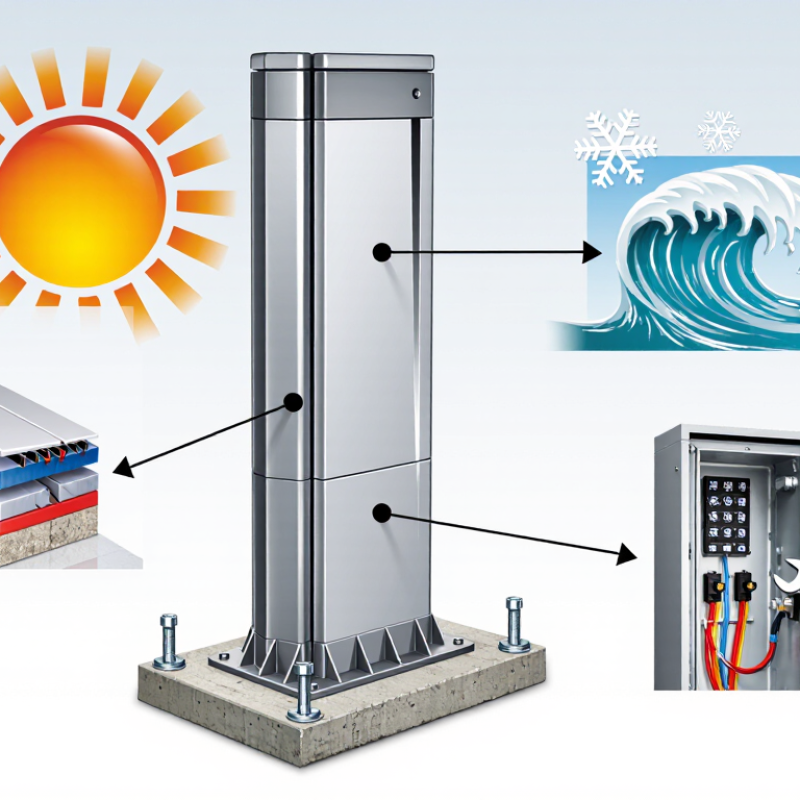
Buying a Pylon Sign across borders requires more than comparing prices. It demands careful decisions about visibility, materials, engineering, installation, and long-term maintenance. A sign may look impressive in a factory photo, yet fail when exposed to coastal wind, intense sunlight, or freezing temperatures.

David Hickey, a longtime sign-industry policy expert, once said, “A sign is a business asset, not merely a decoration.” This principle remains practical for global buyers. A well-planned Pylon Sign should guide customers, strengthen brand recognition, and operate reliably for years. Its value is measured beyond the purchase invoice.

These ten buying tips examine the details that are easy to overlook. Buyers should check steel or aluminum specifications, LED quality, cabinet access, foundation requirements, packaging, and installation support. A supplier’s drawings should show dimensions, wiring routes, anchor points, and maintenance access clearly. Vague documents create expensive surprises.

Local conditions matter.

A tall sign near an airport may face height restrictions. A roadside sign may need strong contrast and readable lettering at driving speed. In humid regions, poor sealing can damage internal components. In colder areas, thermal expansion deserves attention.

No supplier is perfect. Buyers can miss details, too. Even experienced teams sometimes focus heavily on appearance and underestimate servicing costs. Comparing warranties, replacement parts, technical communication, and delivery responsibilities can prevent that mistake. A reliable purchasing process combines visual judgment with engineering evidence, realistic budgets, and honest questions. That balance helps global buyers choose a Pylon Sign that performs well, not merely one that photographs well.
10 Pylon Sign Buying Tips for Global Buyers

Define Pylon Sign Types and Select the Right Display Format

Pylon signs are freestanding structures designed for long-distance visibility, but their formats serve different site conditions. A single-pole pylon suits narrow frontage and modest tenant listings. A double-pole structure offers stronger visual balance and greater panel capacity. Monument-style pylons feel more architectural, yet their lower height can reduce visibility behind parked vehicles. Digital pylon displays add changing content, but they require careful brightness, viewing-distance, and maintenance planning.

Format selection should begin with the driver’s viewpoint, not the sign cabinet. The OAAA reports that out-of-home advertising reaches 80% of U.S. adults weekly, making roadside legibility a serious commercial issue. Choose high-contrast lettering, generous spacing, and a message readable within seconds. A 2012 Sign Research Foundation and FedEx Office survey found that 68% of consumers believe signage reflects business quality, while 60% avoided a business because of poor signage. Those figures support disciplined design, not excessive decoration.

A practical buying review should compare height, wind loading, foundation depth, illumination, service access, and local planning limits. Static displays usually offer simpler upkeep. Digital formats provide flexibility but introduce software, power, and screen-replacement risks. The wrong format can look impressive on a drawing and fail beside real traffic. That uncomfortable check matters. Request a daytime and nighttime viewing simulation, then inspect the sign from the actual road approach. Many buyers overlook this step. They should not.

Assess Site Conditions, Visibility, Size, and Brand Requirements

10 Pylon Sign Buying Tips for Global Buyers

Site conditions determine whether a pylon sign performs safely and clearly. Check soil strength, drainage, wind exposure, vehicle speed, and viewing distance before requesting quotations. A coastal site may require stronger corrosion protection. A soft or recently filled site may need deeper foundations. Ask for a site survey and structural calculations from qualified local professionals. My practical mistake was treating a flat drawing as a complete site assessment. It was not.

Tip: Photograph the approach from a driver’s eye level. Measure visibility at dawn, midday, and after dark. The sign should remain readable without competing with trees, parked vehicles, lighting poles, or nearby structures. The 2023 Out of Home Advertising Association of America industry report shows that outdoor media reaches most adults weekly, but reach does not guarantee recognition. Placement still matters. Keep copy brief, use strong contrast, and test viewing distances on site. A FedEx Office consumer survey reported that 76% of consumers had entered a business because of its sign, while 68% judged a business by sign quality.

Tip: Size the cabinet for the message, not personal preference. Confirm height limits, setback rules, illumination requirements, and maintenance access in the destination market. Then match colors, typography, and logo proportions to the brand manual. Prepare translated artwork carefully; longer words can change the visual balance. Request samples for daylight and nighttime appearance. Small details matter. Reflective finishes can create glare, and digital displays may appear too bright. Allow room for revision. The first design is often technically correct but visually wrong.

Compare Materials, Lighting Systems, Durability, and Energy Use

10 Pylon Sign Buying Tips for Global Buyers

Material choice sets the sign’s service life. Aluminum resists corrosion and reduces structural weight. Galvanized steel offers stronger support, but damaged coatings can rust quickly near coastal air. Acrylic gives bright color, while polycarbonate handles impact better. Ask for tested coating thickness, fastener grade, and drainage details. A beautiful cabinet can still fail from trapped water.

Tip: Match materials to climate, not appearance. Request salt-spray, wind-load, and temperature-cycle test records. The International Energy Agency reports that lighting uses about 15% of global electricity. LED systems can reduce this burden. The U.S. Department of Energy reports that LEDs use at least 75% less energy and last up to 25 times longer than incandescent lamps. Specify efficient modules, suitable drivers, dimming controls, and replaceable components. Check input voltage and frequency for each destination. Small mismatches create large maintenance problems.

Tip: Compare watts per square metre, not only brightness. Ask for measured illumination at night. The U.S. Energy Information Administration notes that commercial electricity prices vary widely by region, so energy savings depend on local tariffs. I have seen buyers choose the lowest quoted wattage, then accept dark corners and uneven faces. That decision needs reconsideration. Require photometric data, ingress protection testing, and a realistic warranty. Also inspect access panels. Technicians should reach drivers without dismantling the entire pylon.

Verify Global Standards, Safety Rules, Certifications, and Permits

Before buying a pylon sign, identify the installation country, city, site use, and electrical supply. Requirements can change within one region. Ask the local authority for written rules covering height, setbacks, lighting hours, foundation depth, and roadside visibility. A permit may require zoning approval, structural drawings, electrical inspection, and a licensed engineer’s calculations.

Check the sign against applicable standards, not vague “international quality” claims. Electrical assemblies may need evaluation under national sign-safety rules, while lighting components often reference IEC 60598 and enclosure protection uses IEC 60529. Request test reports, wiring diagrams, grounding details, material certificates, and an IP rating suitable for rain, dust, and cleaning chemicals. For steel structures, verify wind-load calculations under the destination’s building code. A beautiful cabinet is not proof of safe anchoring.

Safety deserves more attention than appearance. The International Labour Organization reported 2.93 million work-related deaths and 395 million non-fatal injuries worldwide in 2023. Installation planning matters. Require lifting points, maintenance access, lockable electrical panels, and documented isolation procedures. Confirm whether the foundation survey includes soil conditions and underground utilities. It should.

Certifications can be misunderstood. A factory certificate may not replace approval from a local inspection body. Ask who issued each document, which model it covers, and when it expires. I have seen buyers accept copied reports with no matching serial numbers. That shortcut is risky. Recheck every assumption before paying the final balance.

Evaluate Suppliers, Costs, Shipping, Installation, and Long-Term Support

10 Pylon Sign Buying Tips for Global Buyers

A pylon sign is not only a display. It is a steel, electrical, and logistics project. Start by checking the supplier’s drawings, material certificates, wind-load calculations, and quality records. ISO 9001 certification can support process control, but it does not replace factory inspection. Ask for photos of welds, cable routing, access doors, and completed installations. Small details matter.

Request a cost breakdown for structure, lighting, controllers, packing, freight, duties, foundation work, and commissioning. UNCTAD reports that maritime shipping carries over 80% of global merchandise trade by volume. Therefore, confirm crate dimensions and gross weight before booking transport. The World Bank’s 2023 Logistics Performance Index also highlights reliability and shipment tracking as key supply-chain factors. Get milestone updates, not vague promises.

Installation needs local engineering approval and a clear foundation plan. Confirm soil conditions, lifting equipment, electrical standards, spare parts, and maintenance access. LED modules can reduce energy use significantly compared with older lighting systems, according to U.S. Department of Energy guidance. Still, energy savings depend on operating hours and ventilation. Do not accept optimistic estimates blindly. A cheaper sign can become expensive after customs delays, damaged panels, or difficult repairs. Agree on response times, warranty coverage, replacement procedures, and remote technical support before production begins. Even experienced buyers miss something. That is why a pre-shipment inspection remains worthwhile.

10 Pylon Sign Buying Tips for Global Buyers - Evaluate Suppliers, Costs, Shipping, Installation, and Long-Term Support

Tip Buying Dimension What to Evaluate Practical Benchmark or Cost Range Documents and Questions to Request Warning Signs
1 Confirm site and planning requirements Check local planning rules, zoning limits, setbacks, illumination restrictions, sign height, wind exposure, and property-line requirements before requesting a final quotation. Typical planning lead time: 2–8 weeks, depending on the country, municipality, and permit complexity. Ask for a dimensioned site survey, local code checklist, foundation assumptions, and a written list of buyer-supplied approvals. A supplier quotes a fixed design without asking for location, soil conditions, wind zone, or local regulations.
2 Compare suppliers by technical capability Review experience with structural calculations, illuminated signage, outdoor finishes, export packaging, quality control, and installation documentation. Request at least three comparable quotations using the same dimensions, materials, lighting type, and delivery terms. Request technical drawings, material specifications, inspection records, project references, production photos, and sample finish panels. The quote contains only a single price with no drawings, material grades, tolerances, or scope exclusions.
3 Check structural materials and durability Evaluate steel or aluminum grades, corrosion protection, weld quality, drainage, access panels, fasteners, and suitability for coastal or high-wind environments. Common protective systems include hot-dip galvanizing, powder coating, or a multi-layer paint system. Final selection should follow local exposure conditions. Ask for material certificates, coating thickness targets, weld inspection procedures, structural calculations, and corrosion-protection details. Unspecified metal thickness, untreated steel, mixed fastener materials, or no drainage and maintenance access.
4 Calculate the total delivered cost Compare fabrication, lighting, control gear, crating, inland transport, ocean or air freight, insurance, customs, taxes, installation, and future maintenance. International freight and related handling can add approximately 10%–30% to the factory price, depending on size, route, and shipping method. Request an itemized quotation with currency, validity period, Incoterm, packing charges, payment milestones, taxes, and excluded costs. A low factory price excludes freight, export packing, electrical components, foundation work, or customs-related charges.
5 Select the correct shipping method Determine whether the sign can be shipped flat-packed, in sections, or fully assembled. Consider container dimensions, total volume, handling equipment, and port access. Typical ocean transit may take 3–8 weeks port-to-port; door-to-door timing is longer after production, customs, and inland delivery. Ask for packed dimensions, gross weight, package count, loading photographs, HS classification support, and a detailed delivery schedule. Unclear package dimensions, no lifting points, poor moisture protection, or a delivery promise that ignores customs and local transport.
6 Verify lighting and electrical compatibility Confirm LED type, power consumption, voltage, frequency, ingress protection, driver accessibility, cable routing, timers, photocells, and local electrical compliance. Outdoor LED modules commonly use 12 V or 24 V DC internally, while the power supply must match the destination electrical system. Request wiring diagrams, power-load calculations, component datasheets, IP-rating evidence, spare-parts lists, and electrical test records. Incorrect voltage assumptions, inaccessible drivers, exposed cable joints, no surge protection, or unverified outdoor ratings.
7 Review installation and foundation scope Clarify who is responsible for excavation, rebar, concrete, anchors, cranes, traffic control, electrical connection, assembly, leveling, and commissioning. Foundation dimensions must be based on structural calculations and soil conditions; generic foundation sizes should not be accepted without engineering review. Request foundation drawings, anchor-bolt templates, lifting plans, installation manuals, method statements, and a list of required site equipment. The supplier provides no anchor layout, assumes unknown soil conditions, or excludes crane and electrical work without stating it clearly.
8 Use staged quality inspection Inspect materials before fabrication, welds and finish during production, electrical systems before packing, and the completed sign before shipment. For large or customized signs, consider pre-shipment inspection before final payment and photographic records for concealed work. Agree on inspection checkpoints, acceptance criteria, color references, dimensional tolerances, illumination tests, and corrective-action procedures. Final payment is required before any inspection, or the supplier refuses to document hidden components and internal wiring.
9 Negotiate warranty and spare parts Separate warranties for structure, coating, LEDs, drivers, acrylic or polycarbonate faces, electrical components, and workmanship. Many outdoor sign projects offer approximately 1–3 years of product coverage; exact terms depend on components, environment, and maintenance conditions. Request a written warranty, exclusions, response times, replacement procedure, recommended spare quantities, and parts availability period. Warranty terms are verbal, require expensive return shipping for minor parts, or exclude nearly every outdoor and electrical condition.
10 Assess long-term service support Evaluate access to replacement modules, drivers, faces, paint, technical drawings, troubleshooting assistance, and local service partners. Plan an annual inspection covering fasteners, corrosion, seals, electrical connections, foundation condition, and lighting performance. Request maintenance manuals, exploded parts diagrams, recommended inspection intervals, remote support details, and a final as-built drawing package. No maintenance documentation, discontinued components, slow technical responses, or no defined process for warranty and emergency service.

Planning note: Cost ranges and lead times are indicative international purchasing benchmarks. Final requirements depend on sign size, structural design, destination regulations, site conditions, shipping route, taxes, and installation scope.

FAQS

What local information should I confirm before buying a pylon sign?

Confirm the installation country, city, site use, and electrical supply. Ask local authorities about height, setbacks, lighting hours, foundation depth, and roadside visibility. Rules may vary nearby.

What permits might the installation require?

Requirements may include zoning approval, structural drawings, electrical inspection, and licensed engineer calculations. Request written requirements before production begins. Verbal advice is not enough.

Which technical documents should the supplier provide?

Request wiring diagrams, grounding details, material certificates, test reports, and enclosure protection information. Ask for wind-load calculations under the destination’s building code. A polished cabinet proves little.

How can I check whether certificates are reliable?

Confirm the issuing organization, covered model, expiry date, and matching serial numbers. A factory document may not replace local approval. Copied reports are a serious warning.

What safety details matter during installation and maintenance?

Require lifting points, safe maintenance access, lockable electrical panels, and documented isolation procedures. Confirm soil conditions and underground utilities before digging. The foundation survey should include both.

How should I compare the total project cost?

Request separate prices for structure, lighting, controllers, packing, freight, duties, foundation work, and commissioning. A low purchase price can hide expensive repairs or customs delays. Check the complete cost.

What shipping information should I confirm before booking transport?

Confirm crate dimensions, gross weight, delivery milestones, and shipment tracking. Large panels can arrive damaged without strong packing. I might still miss a fee.

What should I arrange for installation and long-term support?

Confirm local engineering approval, lifting equipment, electrical compatibility, spare parts, and maintenance access. Agree on warranty coverage, response times, replacement procedures, and remote support. Check twice.

Conclusion

Buying a Pylon Sign for an international project requires more than choosing an attractive design. Start by identifying the appropriate sign type and display format, such as single-sided, double-sided, illuminated, or digital options, based on location, viewing direction, traffic flow, and communication needs. Assess the site carefully, including available space, ground conditions, sightlines, local environment, brand presentation, and the sign’s required height and scale. Materials, lighting systems, weather resistance, maintenance needs, and energy consumption should also be compared to support reliable long-term performance.

Global buyers should confirm that the proposed Pylon Sign can meet applicable safety requirements, technical standards, certification expectations, and permit procedures in the destination market. Supplier evaluation should cover manufacturing quality, design assistance, transparent pricing, packaging, shipping arrangements, installation planning, replacement parts, and after-sales support. A well-structured comparison of these factors helps buyers control total ownership costs, reduce installation risks, maintain consistent visual communication, and select a sign solution that remains durable, visible, and practical over time.

Liam

Liam

Liam is a dedicated marketing professional with a profound expertise in the industry, where he excels at highlighting the unique advantages of our core products. With a keen understanding of market trends and consumer needs, Liam frequently updates our company’s professional blog, providing......