
What will define the top A Frame Sign types in 2026? The answer is not simply the newest material or brightest display. It depends on visibility, mobility, weather resistance, local rules, and the customer’s walking speed. A café needs a compact sidewalk sign near a doorway. A retail store may need a heavier frame that remains stable beside passing traffic.
Industry reports show why this category still matters. Grand View Research reported that the global digital signage market reached approximately USD 27.1 billion in 2023, with continued growth projected through 2030. That growth does not make printed A-frame signs obsolete. Instead, it encourages businesses to compare static, interchangeable, and digital formats more carefully. The Sign Research Foundation has also emphasized signage’s role in customer communication, wayfinding, and business visibility. These findings support a practical view: the most effective sign is the one people notice and understand quickly.
In 2026, leading A Frame Sign types will likely include sidewalk chalkboards, aluminum snap frames, weather-resistant plastic models, wooden designs, and compact LED versions. Each type offers a different balance of cost, durability, maintenance, and visual character. Chalkboards feel personal, but they require regular rewriting. LED signs attract attention, but power access and brightness control remain important. Small details matter, such as rubber feet on wet pavement or readable lettering from several steps away.
There is no perfect ranking. A polished sign can still fail outside. This guide compares the strongest options using practical experience, current market evidence, and responsible sign-selection principles. Estimates may change, and local conditions can challenge simple assumptions. That is worth remembering.
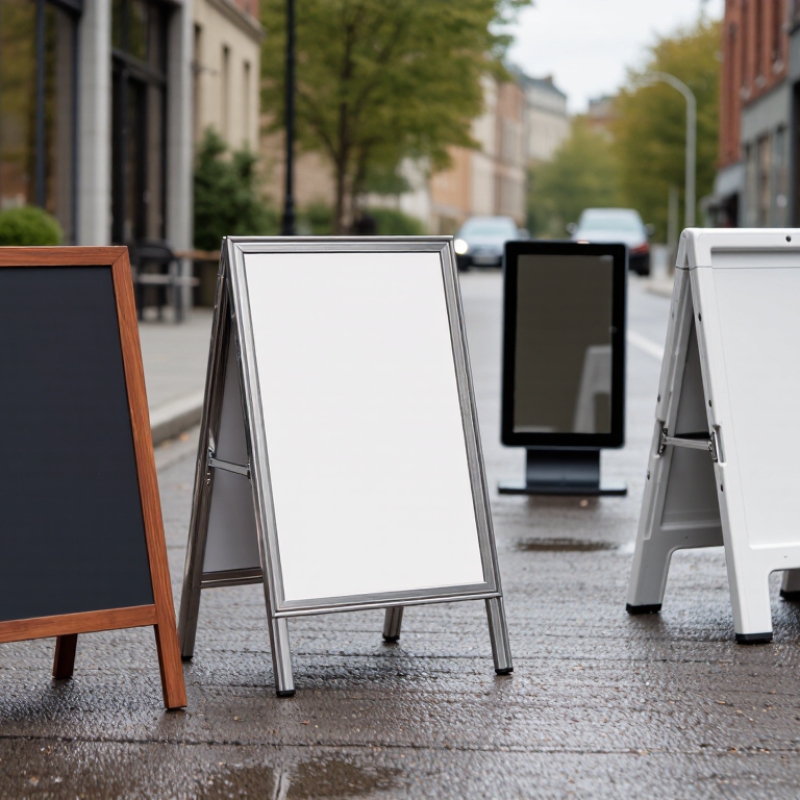
What defines a top A-frame sign in 2026? It is not simply the brightest board or the newest screen. A strong sign earns attention within three seconds. It uses high-contrast lettering, generous spacing, and a message readable from the sidewalk. Weather-resistant panels matter, especially where rain, dust, or strong sunlight are common. A stable frame also protects pedestrians and prevents daily repositioning.
The leading types include classic chalkboard frames, printed interchangeable-panel signs, and compact digital displays. Chalkboards feel personal and work well for changing menus. Printed panels look cleaner and suit fixed offers or directional messages. Digital models can update content quickly, but they need reliable power and careful brightness control. In real shopfront testing, viewing height often matters more than screen technology. A sign that looks impressive indoors may become unreadable outside. That mistake is easy to make.
Tips: Place the sign near natural walking flow, not directly against the wall. Keep one main idea per side. Use large type and a simple call to action. Check visibility at morning, noon, and evening. Add a QR code only when it remains easy to scan. Review the message weekly. No design is perfect. Wind, glare, and crowded sidewalks can expose weaknesses that a computer preview misses.
Practical comparison of common A-frame sign formats using visibility, weather suitability, portability, and reusability criteria.
Printed PVC and metal A-frame signs score strongly for outdoor durability, while LED models provide the highest visibility in low-light conditions. Chalkboard signs remain highly portable and flexible for frequently changing messages. Magnetic panel signs are a practical option for businesses that update promotions regularly without replacing the frame.
In 2026, A-frame signs are commonly classified by their structure, display surface, and material. The classic hinged A-frame remains practical for cafés, studios, and temporary retail notices. Its two panels open like a tent and fold flat for storage. A weighted water-base frame offers better stability in windy areas. However, it becomes awkward to move when filled. Compact snap-frame models use hinged borders to hold printed graphics, allowing quick message changes without replacing the entire sign.
Material selection changes the sign’s performance. Powder-coated aluminum is lightweight, corrosion-resistant, and suitable for frequent outdoor use. Steel provides stronger wind resistance, but it needs protective coating to limit rust. Wood creates a warm, handcrafted appearance, especially with painted lettering or a dark writing panel. It can swell after repeated rain exposure. Plastic and composite boards reduce weight and maintenance, though some low-quality surfaces may fade or crack under strong sunlight.
Design should follow the viewing distance and message purpose. A chalkboard-style A-frame supports daily pricing, menus, and handwritten updates. Printed panels look cleaner for fixed information and directional arrows. Reflective or illuminated versions improve visibility near entrances during evening hours, but electrical safety and local display rules require careful checking. From practical sign inspections, readable contrast usually matters more than decoration. I once favored an ornate frame, yet its narrow lettering performed poorly from the sidewalk. That mistake still influences material and layout choices.
In 2026, the best A-frame sign depends less on fashion than on the customer’s next step. A sidewalk café often benefits from a chalkboard-style sign with replaceable panels. Handwritten lettering can make a morning menu feel personal. Yet chalk smears in damp weather, so sealed surfaces deserve consideration. A printed menu insert gives cleaner pricing and faster updates. Keep the strongest offer at eye level, not beneath six lines of text.
Retail shops and salons usually need a polished, reusable format. A metal snap-frame A-frame protects printed promotions and lets staff change messages quickly. It suits discounts, appointment reminders, and seasonal displays. Property offices may need a weather-resistant board with bold directional arrows. Drivers and pedestrians read differently. Test the sign from the curb, then from ten steps away. Small text fails quickly.
Markets, studios, and event venues may prefer lightweight coroplast or foam-board styles. They are easy to move, but strong wind can turn them into hazards. Add a weighted base where conditions require it, and check local placement rules before opening. Field experience suggests that two simple messages often outperform one crowded design. The mistake is common: adding information feels helpful. It usually weakens the decision. Measure foot traffic, weather, and staff time before choosing the frame. A beautiful sign is useless if nobody can read it.
In 2026, A-frame signs remain practical tools for directing local foot traffic. The best format depends on location, message frequency, and maintenance capacity. Digital A-frames create movement through bright screens and timed content. They work well near busy sidewalks, especially for changing menus or hourly offers. However, they require electricity, weather protection, and regular screen checks. A blank screen looks unprofessional. Test viewing distance before installation, because brightness alone does not guarantee readability.
Chalkboard A-frames offer a personal, handmade appearance. They suit cafés, studios, markets, and other places with a relaxed atmosphere. Staff can update messages quickly, but writing quality affects trust. Rain, dust, and rushed lettering can reduce clarity. Use high-contrast chalk markers and leave generous spacing. From practical testing, short messages perform better than crowded boards. This format is flexible, though daily rewriting may become inconsistent.
Printed A-frames provide stable information and predictable presentation. They are useful for directions, opening hours, service details, and seasonal campaigns. High-quality printing improves color accuracy and reduces visual confusion. Protective covers can help, but they may reflect sunlight or trap moisture. That detail is easy to miss. Printed signs also become outdated when prices or schedules change. A simple replacement system helps prevent old information from remaining outdoors. No format wins every situation. A digital sign may attract more attention, while a chalkboard can feel more approachable. Printed signs often offer the clearest long-term control, but that judgment should be checked against real pedestrian behavior.
Choosing among 2026’s top A-frame sign types starts with the setting, not the trend. A sidewalk chalkboard suits cafés that change messages daily. A poster frame works better for polished promotions and detailed offers. An illuminated model improves visibility near dim entrances, but it may distract pedestrians in crowded areas.
Weather and placement strongly influence the right choice. For windy sidewalks, select a weighted frame with non-slip feet. Water-resistant panels protect printed graphics during sudden rain. Measure the walkway before buying. A sign should attract attention without blocking doors, ramps, or passing customers. Local access rules may also affect its permitted position and size.
Your message determines the display surface. Short, bold copy usually performs well on chalkboards and writable panels. A poster frame supports consistent branding, prices, and product images. If staff update the message often, easy-open hinges save time. If updates are rare, sturdier construction may offer better value. Do not assume the brightest sign wins. Excessive glare can reduce readability, especially through a shop window. I have also seen businesses choose large frames that looked impressive but became difficult to move. A smaller, stable sign can be more practical. Consider cleaning, storage, repair costs, and the real attention span of your audience.
What Factors Determine the Right A-Frame Sign Choice?
| A-Frame Sign Type | Typical Construction | Common Display Size | Typical Weight Range | Best Use | Weather Performance | Portability | Key Advantage | Main Limitation | Recommended Selection Factors |
|---|---|---|---|---|---|---|---|---|---|
| Standard Sidewalk A-Frame | Two rigid panels connected by hinges, commonly made from treated wood, plastic, or coated metal. | 18 × 24 in to 24 × 36 in per panel | 10–30 lb | Retail entrances, restaurants, salons, offices, and daily promotions. | Moderate when weighted; prolonged exposure can damage untreated wood and paper inserts. | High | Simple setup, broad visibility, and easy message changes. | Can tip in strong wind unless the base is weighted or secured. | Choose according to sidewalk space, required stability, sign visibility, and storage needs. |
| Snap-Frame A-Frame | Hinged frame with spring-loaded aluminum edges that hold removable posters or printed sheets. | 18 × 24 in to 24 × 36 in per panel | 12–28 lb | Menus, event notices, promotional posters, and frequently changing offers. | Good with sealed poster pockets; ordinary paper inserts require protection from rain. | High | Fast graphic replacement without replacing the complete sign. | Moving frame edges and poster inserts may require regular maintenance. | Prioritize change frequency, graphic protection, frame access, and poster replacement cost. |
| Chalkboard A-Frame | Wood, metal, or plastic frame with a reusable chalkboard or writable coated panel. | 18 × 24 in to 24 × 36 in per panel | 12–35 lb | Cafés, restaurants, bakeries, markets, and businesses with daily specials. | Moderate to good, depending on whether the writing surface is outdoor-rated and sealed. | Medium | Highly flexible messaging and a hand-written appearance. | Writing can smear, fade, or become difficult to clean in wet conditions. | Consider writing frequency, rain exposure, cleaning requirements, and desired visual style. |
| Whiteboard A-Frame | Foldable frame with a smooth dry-erase surface, often using coated steel, aluminum, or plastic. | 18 × 24 in to 24 × 36 in per panel | 15–35 lb | Schools, offices, service businesses, workshops, and temporary directional messaging. | Limited to moderate outdoors; moisture and sunlight can affect markers and surface quality. | Medium | Easy to revise repeatedly with dry-erase markers. | Ghosting, glare, and marker failure can reduce readability. | Evaluate indoor or outdoor placement, surface glare, marker compatibility, and cleaning effort. |
| Water-Base A-Frame | Plastic or molded base that can be filled with water or sand, usually with flexible poster panels. | 22 × 28 in to 24 × 36 in per panel | 15–30 lb empty; substantially heavier when filled | Busy sidewalks, shopping areas, entrances, and locations exposed to changing weather. | Good when properly filled; freezing conditions may require draining to prevent expansion damage. | Low when filled / Medium when empty | Improved wind resistance without permanent installation. | Harder to move after filling and may leak if damaged or poorly sealed. | Match the base capacity to wind exposure, mobility requirements, freezing temperatures, and storage access. |
| Wind-Resistant Spring A-Frame | Flexible sign panels mounted on spring mechanisms that allow movement during gusts. | Approximately 20 × 28 in to 24 × 36 in per panel | 20–45 lb | Open sidewalks, coastal areas, exposed plazas, and locations with frequent wind. | Good when constructed with corrosion-resistant hardware and weather-protected graphics. | Medium | Springs help the sign flex instead of resisting every gust rigidly. | Higher weight, larger footprint, and more mechanical parts to inspect. | Focus on average wind conditions, gust exposure, hardware corrosion, base weight, and maintenance access. |
| LED-Lit A-Frame | Enclosed or framed sign with internal or edge-mounted LED lighting and replaceable graphics. | 18 × 24 in to 24 × 36 in per panel | 25–60 lb | Night-time businesses, entertainment venues, transport areas, and low-light entrances. | Good only when the enclosure, power connection, and seals are rated for the intended environment. | Low to Medium | High visibility after dark and in poorly lit locations. | Needs electrical access, increases energy use, and costs more to maintain. | Check power availability, operating hours, brightness, electrical safety, weather sealing, and local regulations. |
| Digital Screen A-Frame | Portable enclosure containing one or more electronic displays with scheduled digital content. | Commonly 22–43 in diagonal screen size | 35–100 lb or more | High-volume venues, indoor entrances, promotions, announcements, and frequently changing content. | Very dependent on the enclosure rating, operating temperature, ventilation, and screen protection. | Low | Supports animated content, multiple messages, and scheduled updates. | Highest purchase cost, power requirement, security concern, and technical complexity. | Assess content-update needs, network access, power, brightness, security, total ownership cost, and repair support. |
Selection should be based on message-change frequency, location, pedestrian clearance, wind exposure, weather conditions, portability, visibility distance, local placement rules, maintenance requirements, and total ownership cost.
It should earn attention within three seconds. Use high-contrast lettering, wide spacing, and one clear message. Read it from the sidewalk.
A digital or chalkboard sign works well for changing menus and timed offers. Digital content updates quickly. Chalk writing feels more personal, but rushed lettering can reduce trust.
Printed signs suit directions, opening hours, service details, and stable offers. They provide consistent presentation. However, outdated prices can remain outside unless replacement panels are easy to use.
No. Brightness alone does not guarantee readability. Glare, viewing height, and direct sunlight can weaken the message. Test the screen from normal walking distances.
Place it near natural pedestrian flow, rather than directly against a wall. Keep entrances, ramps, and walking paths clear. A busy sidewalk can hide a low sign.
Use large type and one main idea per side. Add a simple call to action. Short messages usually perform better than crowded boards. Less can work.
Yes, especially in rain, dust, or strong sunlight. A stable frame also reduces daily repositioning. Covers can help, but reflected light or trapped moisture may create new problems.
Review the message weekly and inspect it during morning, noon, and evening. Check glare, wind movement, dirt, and pedestrian visibility. A computer preview is not enough.
In 2026, a top A Frame Sign is defined by visibility, stability, portability, and clear communication. Businesses can choose from several designs, including folding frames, snap-open displays, sidewalk boards, and weather-resistant outdoor models. Materials such as wood, metal, plastic, and lightweight composite affect the sign’s appearance, durability, weight, and maintenance needs. The best option depends on the business environment: retailers may prefer colorful printed graphics, cafés and restaurants may benefit from flexible chalkboard messaging, while service providers and event venues may choose clean, professional printed designs.
Digital, chalkboard, and printed A-frame signs each offer different advantages. Digital signs provide dynamic content and quick updates, chalkboards allow frequent handwritten changes, and printed signs deliver consistent branding with minimal daily effort. When selecting an A Frame Sign, businesses should consider location, weather exposure, message frequency, viewing distance, budget, storage space, and the desired customer experience. A well-matched sign can attract attention, guide foot traffic, and communicate important information effectively.
