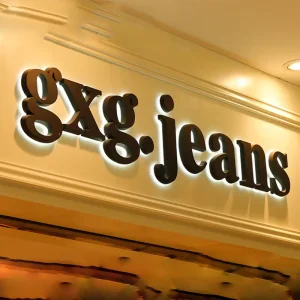
Explore our foundational range of custom commercial signage engineered with high-durability alloys and next-generation solid-state LED configurations.
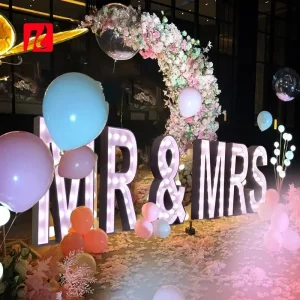
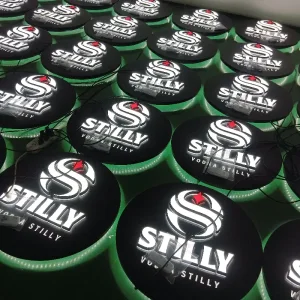
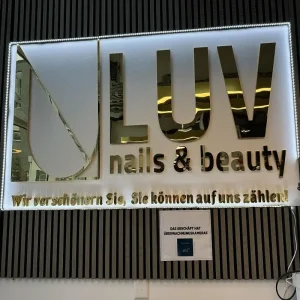
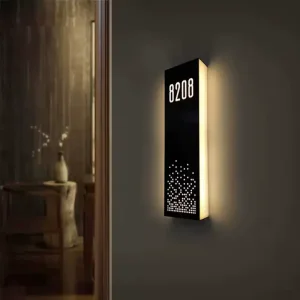

In the contemporary digital landscape, physical touchpoints play an increasingly critical role in establishing brand authenticity and memorability. Among these visual assets, personalized neon and luminous signage represent high-impact mediums that translate brand identity into physical, photogenic realities. However, procuring custom signage at an enterprise scale involves navigation through complex supply chain matrices, mechanical engineering specifications, and strict compliance structures.
“True personalization in architectural-grade signage is not merely about aesthetic rendering; it represents a convergence of mechanical stability, photometrical uniformity, and absolute electrical safety compliance.”
This industry report outlines key variables determining manufacturing quality, evaluates structural advantages of China's fabrication ecosystems, analyzes upcoming industry trends, and reviews operational protocols utilized by Kexian Advertising to support global supply networks.
Historically, luminous storefront signage relied on traditional glass neon tube fabrication. While providing a classic aesthetic, classical glass neon presents operational constraints: fragility, high energy consumption (up to 100W/meter), high-voltage operations (ranging between 3kV and 15kV), and hazardous mercury content. Modern commercial projects have transitioned to low-voltage LED neon flex systems.
Standard modern specifications focus on low-operating voltages (typically 12V or 24V DC), lowering thermal profiles and reducing hazard levels in high-traffic commercial environments. Additionally, silicone-based co-extrusion has replaced legacy PVC alternatives, providing superior UV stabilization (inhibiting yellowing over a typical 5-year cycle), wider operational temperature tolerances (-40°C to +60°C), and flame retardancy in compliance with North American and European fire safety regulations.
How localized supply integration, technological scale, and specialized labor networks drive procurement efficiency for international buyers.
Direct sourcing access to raw PMMA, high-grade 304/316 austenitic stainless steel, and high-efficiency SMD chipsets. This local integration minimizes transport latency and materials costs.
Production facilities are equipped with 5-axis fiber laser cutting tables, automated channel benders, and precision laser welders, ensuring tolerances to within 0.05 millimeters.
Facilities support both single-unit, customized prototyping and volume manufacturing runs. Scaled assembly networks reduce per-unit production costs for multi-location commercial rollouts.
20+ Years of Manufacturing Integrity, Technological Innovation, and Global Client Retention.
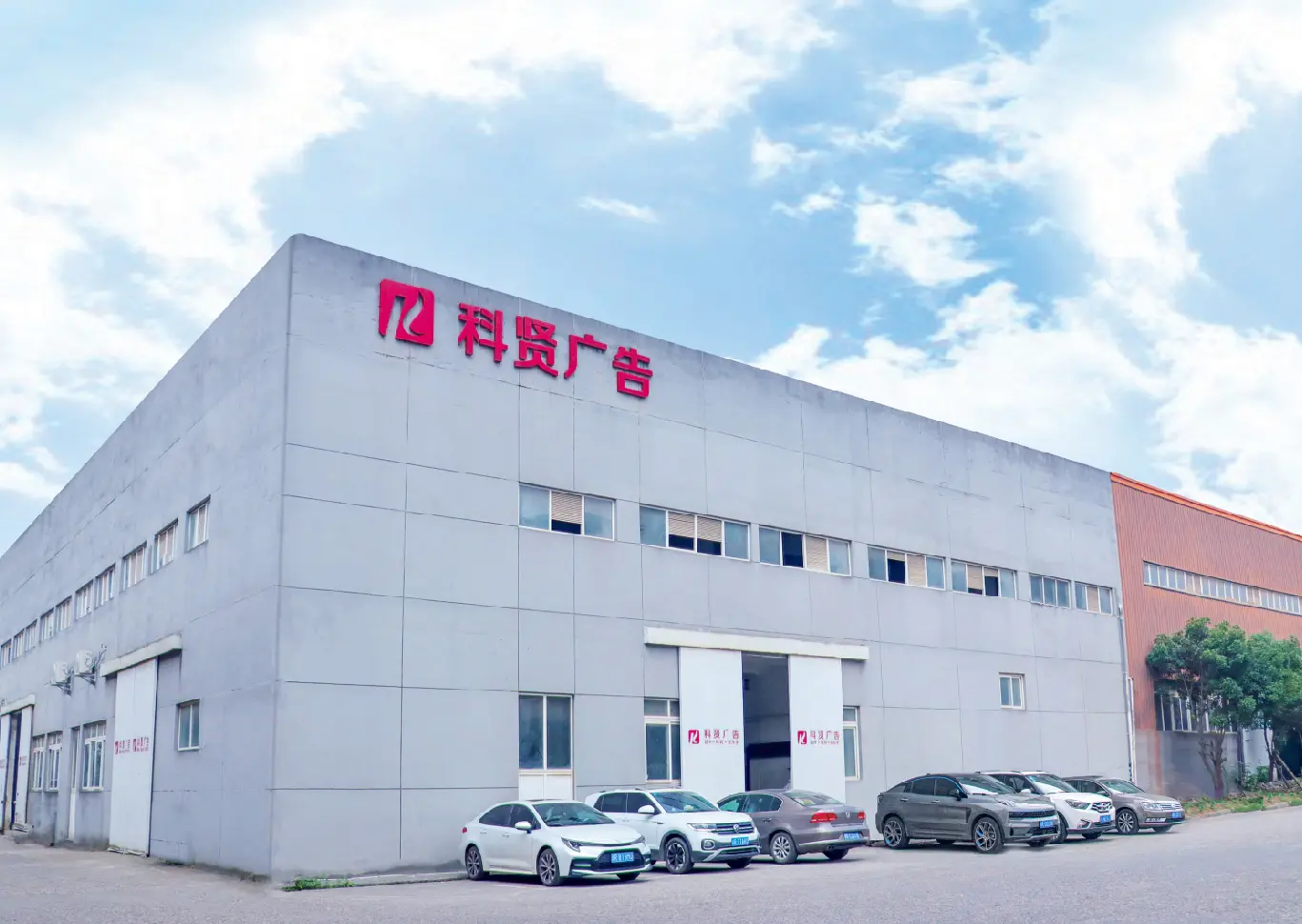
Sichuan Kexian Advertising Limited Company, operating from Sichuan, China, is an integrated signage manufacturing enterprise with over 20 years of operational experience. We manage in-house design, custom material preparation, mechanical fabrication, electronic assembly, and global logistics coordination.
Our engineering services focus on structural stability and clean light distribution. We support commercial projects, multi-property developments, municipal works, and retail networks. Kexian coordinates in-house prototyping and volume production to maintain consistent tolerances, lead times, and structural certifications.
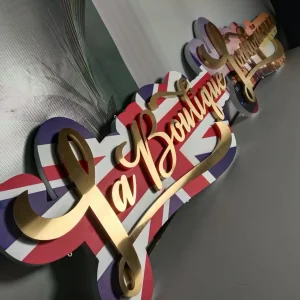
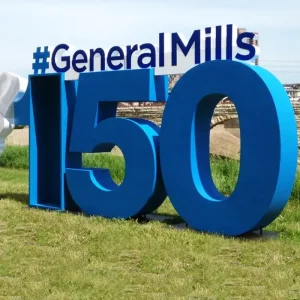
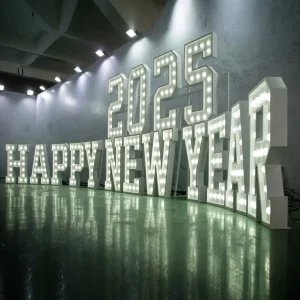
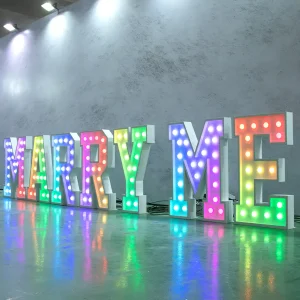
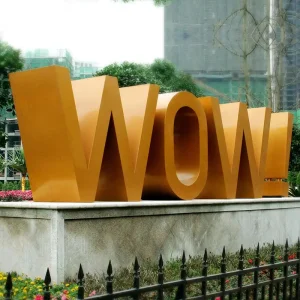
Our product catalog includes structural outdoor monoliths, giant illuminated marquee letters, bespoke architectural light boxes, and customized silicone LED neon. We coordinate with clients to translate vector design files into functional signage designed for long-term outdoor deployment.
Key operational statistics demonstrating our production capacity and historical distribution reach.
The global signage industry is adapting to new environmental standards and smart building integration. Enterprise procurement managers should align specifications with three major developments:
Luminous signs are shifting from static illumination to dynamic, responsive installations. The integration of Addressable RGB (uRGB) systems and DMX512 control protocols allows signage to interact with ambient lighting systems, run color-transition schedules, and adapt output levels dynamically based on ambient lux readings. This integration reduces energy consumption during off-peak hours and complies with local dark-sky regulations.
Corporate sustainability mandates require architectural materials to meet environmental certifications. Modern specifications require lead-free, zero-mercury components, compliant with RoHS directives. Additionally, utilizing acrylic polymers that can be recycled supports corporate circular-economy goals.
Signage applications require specialized designs based on their installation environment:
We combine design resources, manufacturing systems, and quality control steps to support client requirements.
We manage design, production, and international logistics, reducing project lead times. We support low MOQ requirements for prototyping and validation.
Our team includes CAD designers, fabrication specialists, and quality control inspectors to support project design compliance.
We provide video updates during production, allowing clients to monitor assembly stages and verify design specifications before shipment.
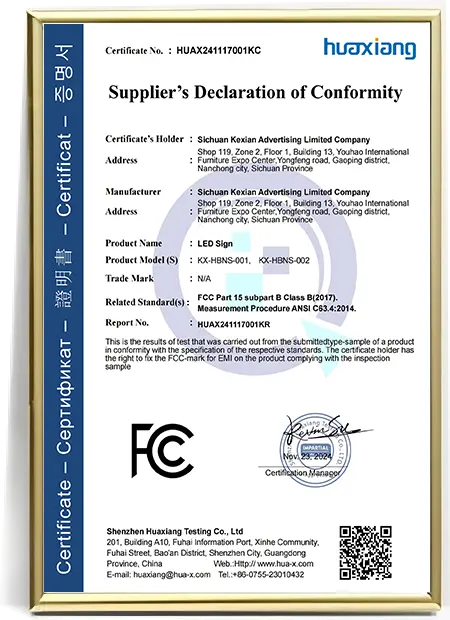
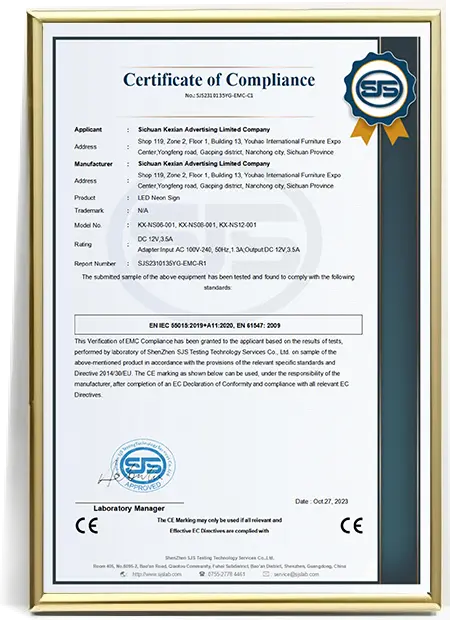
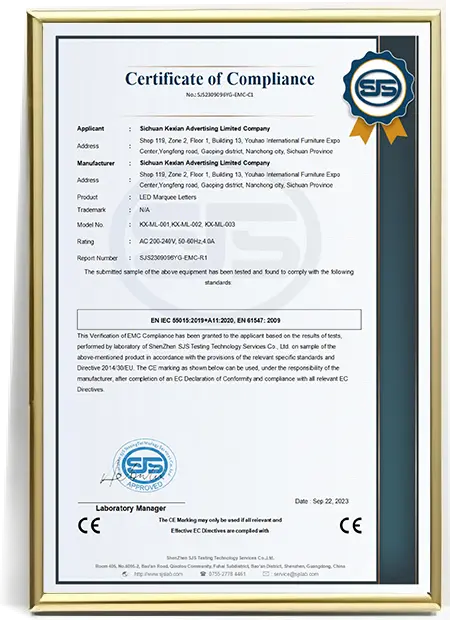
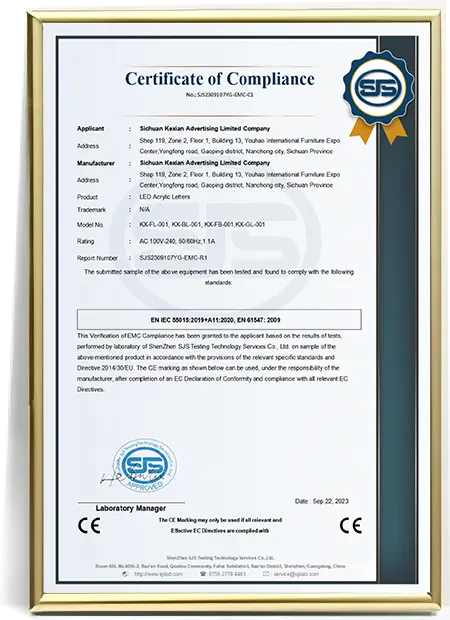
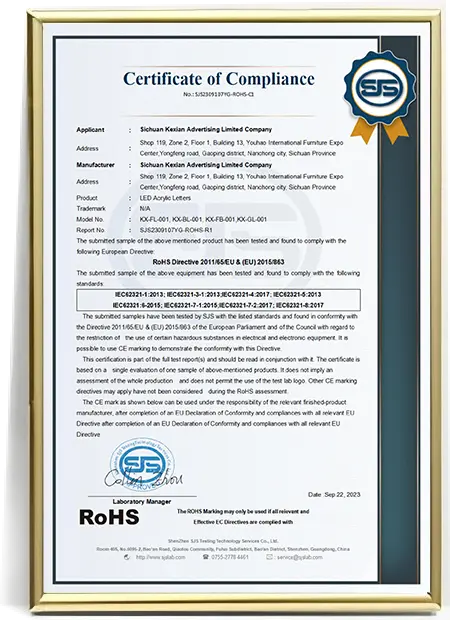
Our products are certified under CE, RoHS, FCC, and UL standards. Every display unit is tested for insulation stability and photometrical uniformity.
We manufacture signage for large corporate clients and commercial brands, including Midea, Gree, JD, Liansu, and other international companies.
Our 6,600 square meter factory is equipped with computer-controlled fabrication tools to support design consistency and precision.
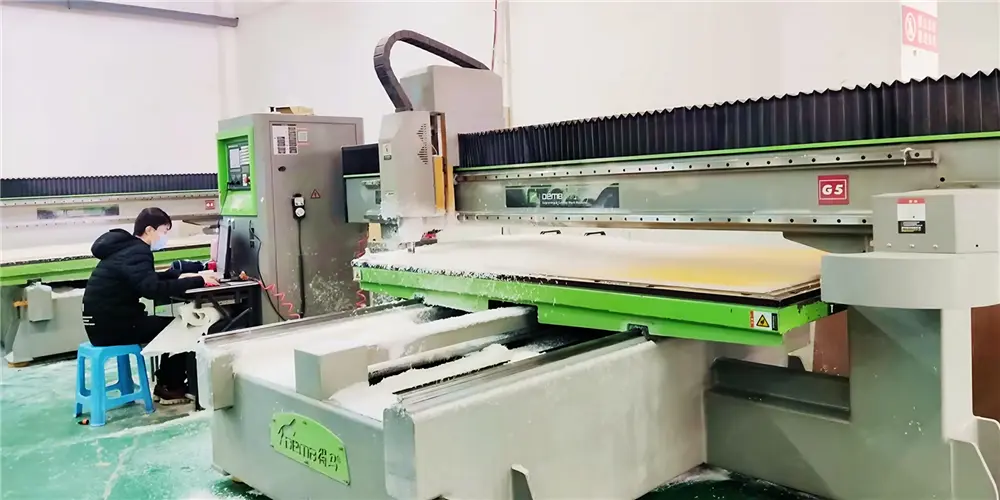

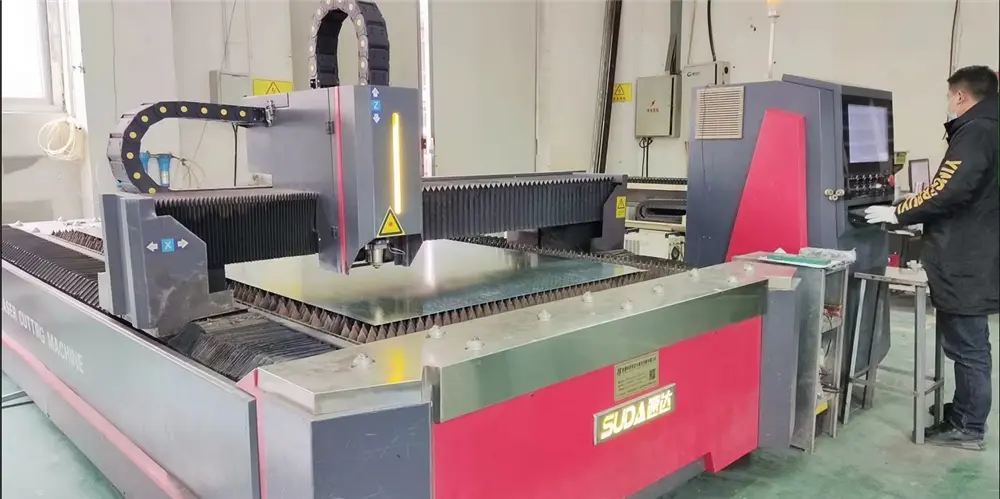
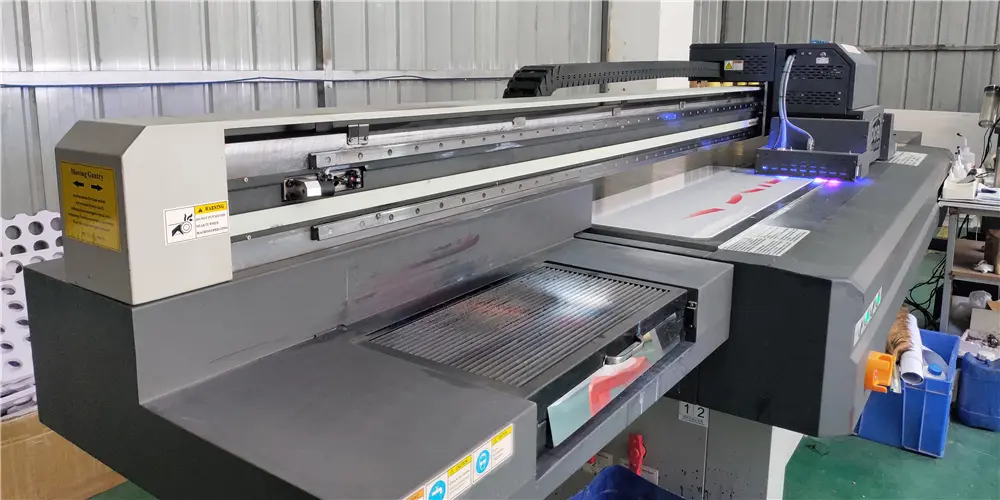
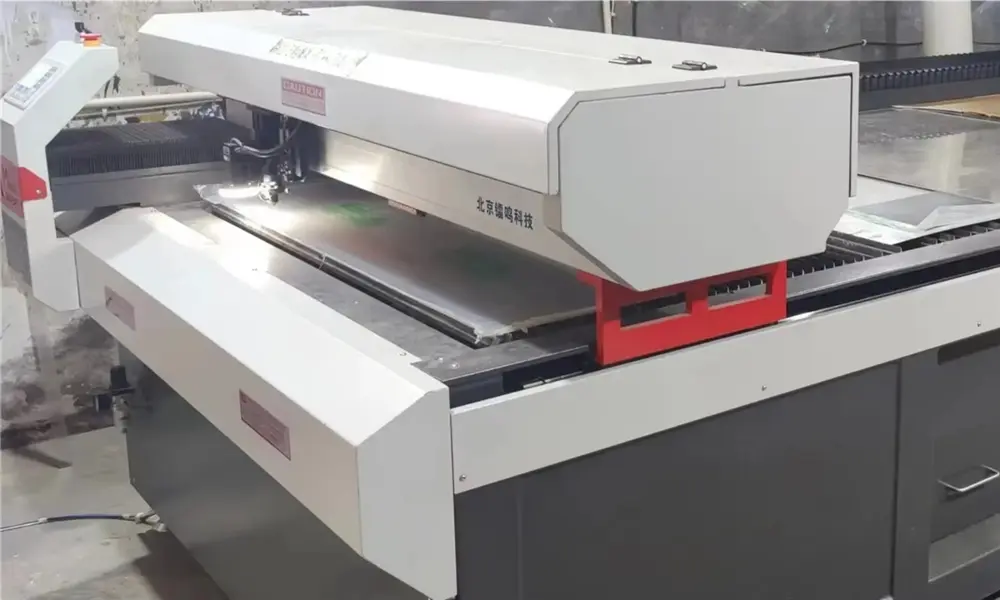
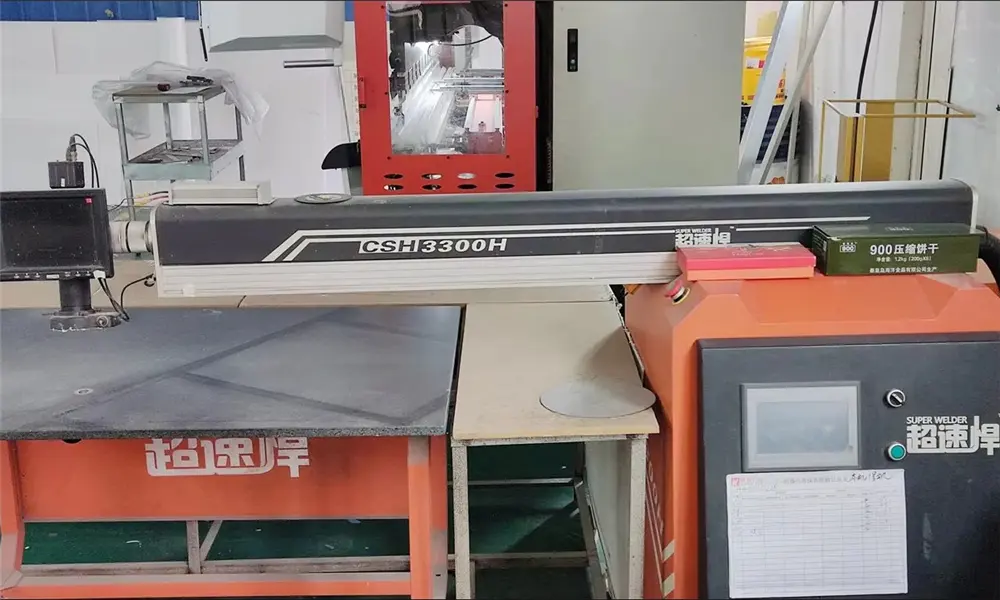
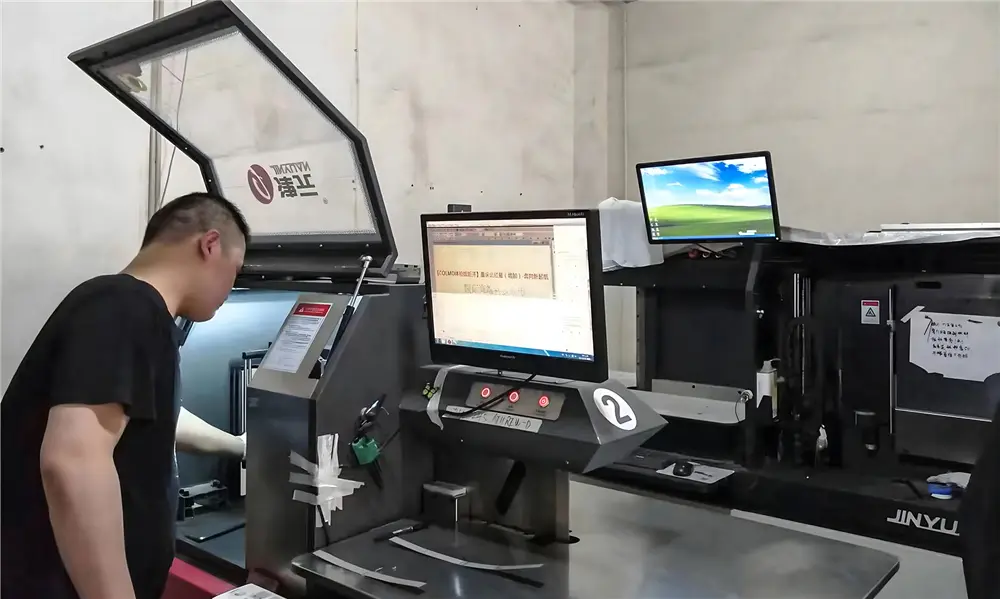
Our manufacturing workflow follows structured processing stages to maintain mechanical integrity across all custom signs.
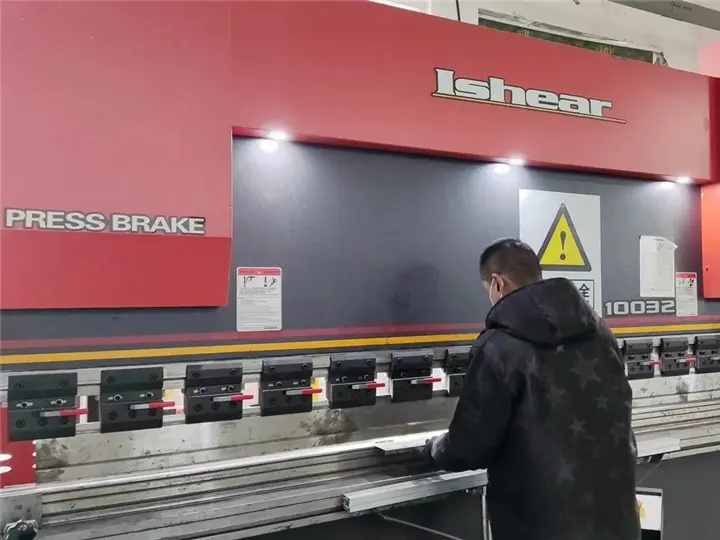
1. Bending
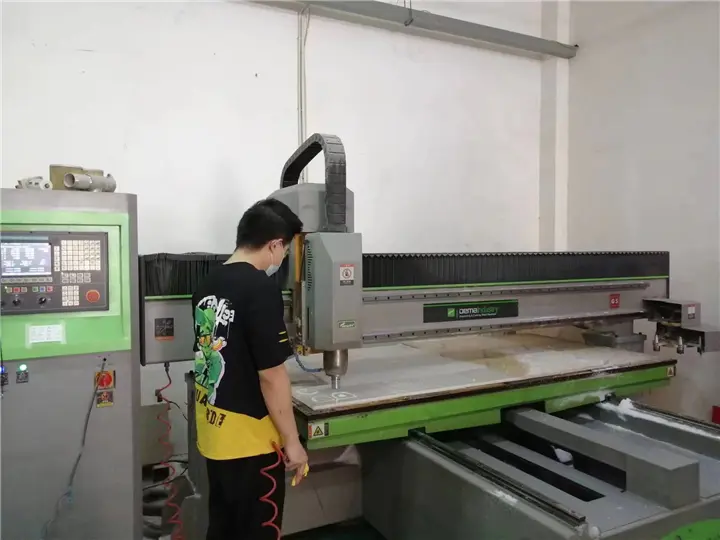
2. Cutting
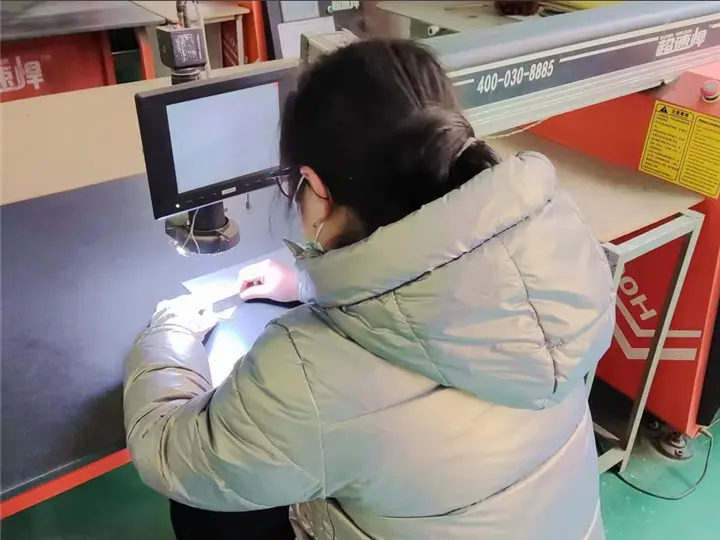
3. Laser Welding
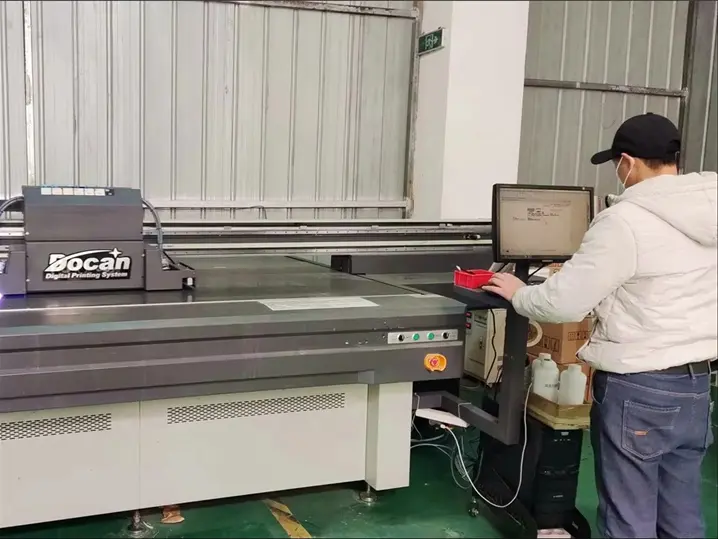
4. UV Printing
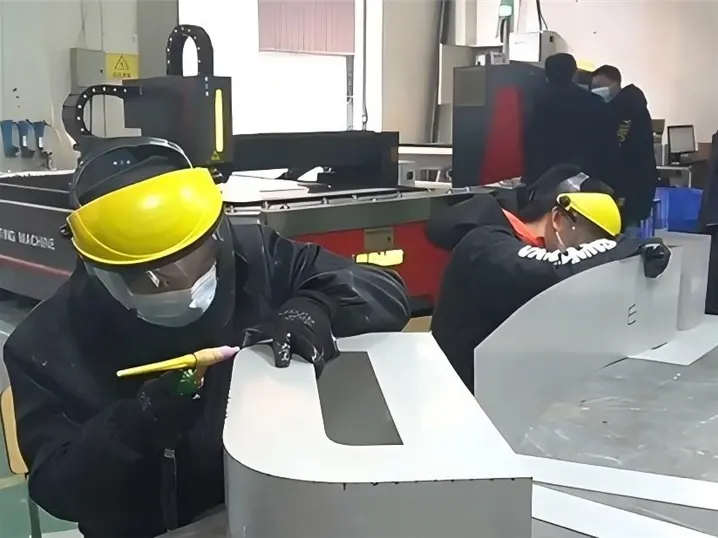
5. Welding
All finished products are tested for compliance with relevant local and international electrical and materials safety rules.

Technical specifications and process details for architects, builders, and corporate procurement managers.
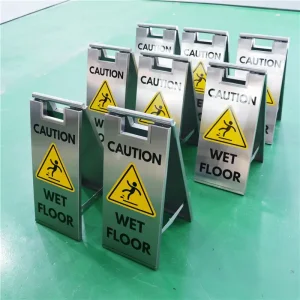
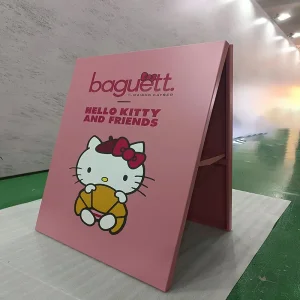
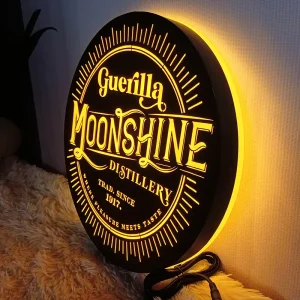
A secondary selection of custom architectural displays, warning boards, and letters designed for retail, urban, and industrial installations.
At Kexian, we coordinate design, material preparation, and production to support your signage requirements. Connect with our engineering sales team to request design reviews, material samples, or project pricing estimates.