Whitepaper: Reverse Lit Channel Letters in Modern Architectural Identity
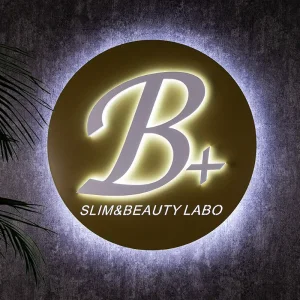
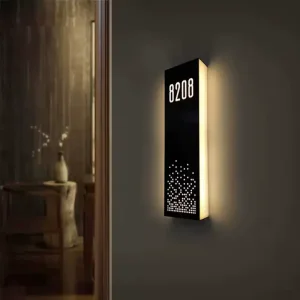
In the contemporary landscape of visual branding, the choice of storefront and institutional signage is no longer merely decorative. It plays a critical role in brand perception, night-time legibility, and architectural integration. Among the various technologies available, Reverse Lit Channel Letters (often referred to as halo-lit or backlit channel letters) represent the pinnacle of corporate identity display. By casting light backward onto the mounting wall, these systems generate a high-contrast halo effect that is soft yet highly legible, avoiding the harsh glare common to standard front-lit neon and LED installations. This engineering whitepaper outlines the structural material sciences, light emission mechanics, global trends, and local municipal compliance models surrounding this architectural system.
1. Global Commercial & Industrial Landscapes of Halo Signage
Urban planning policies across the globe are progressively restricting high-intensity, direct-facing light sources to reduce urban light pollution. In Europe (under EN 12464 guidelines) and North America (in accordance with Dark-Sky compliance programs), front-lit signs are often limited in peak nit output. This regulatory environment has caused a significant market shift toward indirect LED lighting topologies, specifically halo-illuminated sign systems.
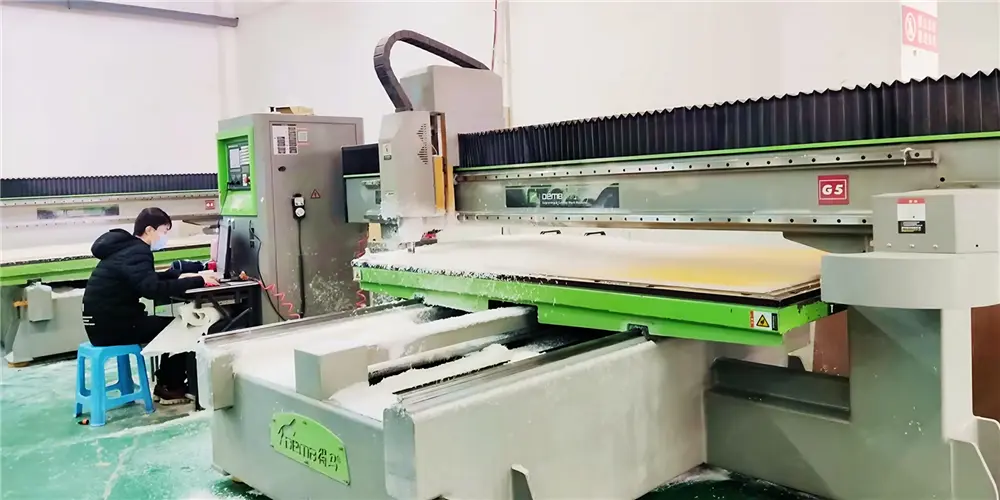
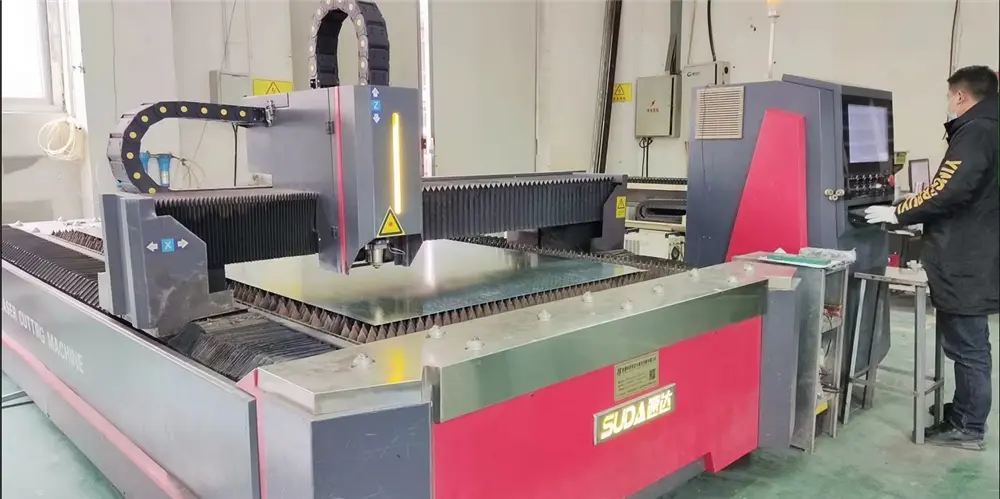
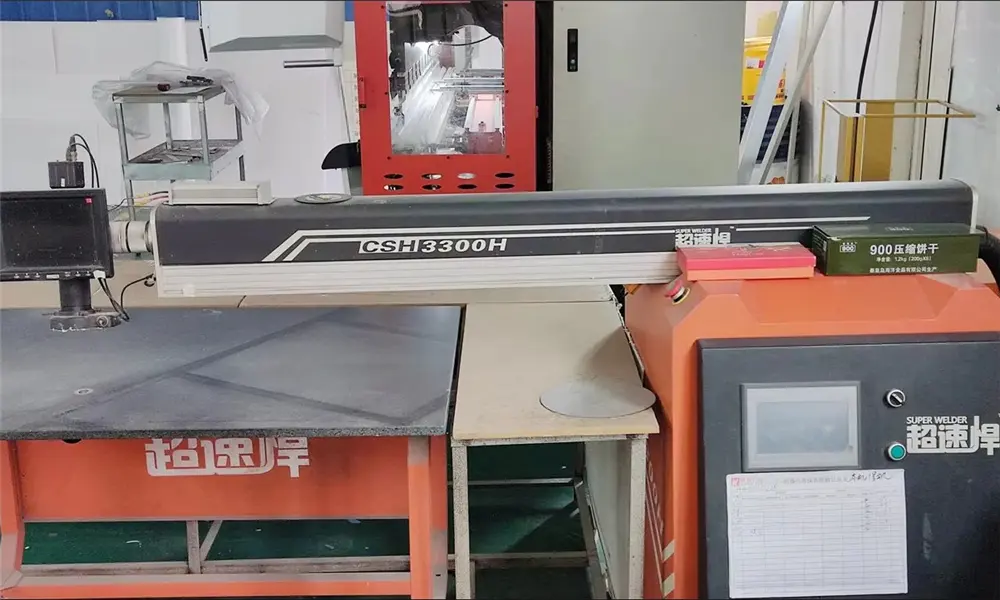
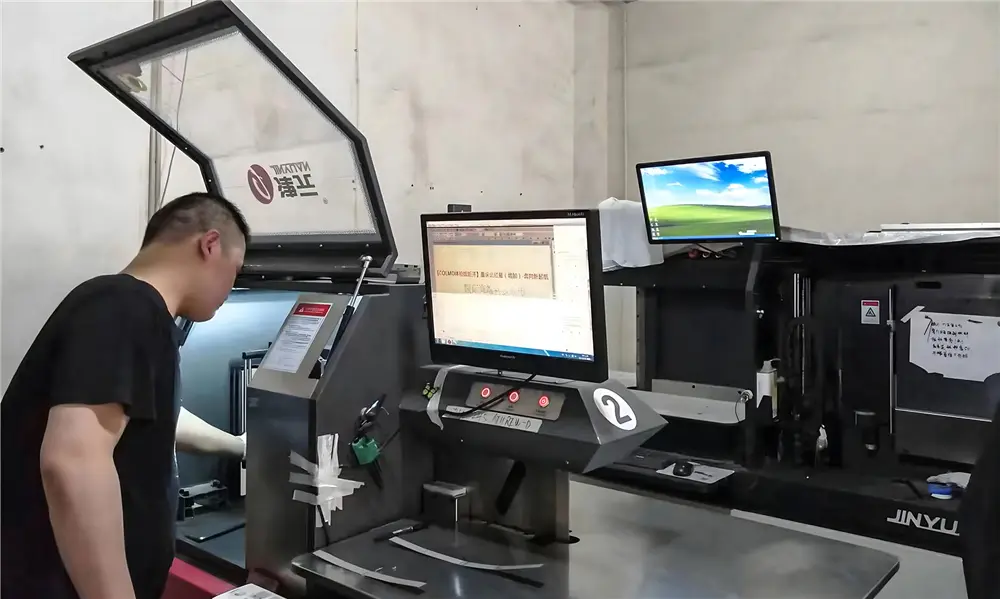
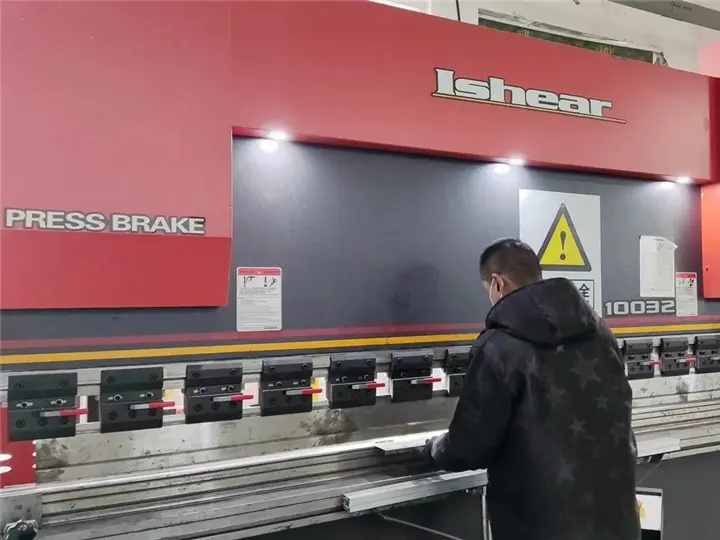
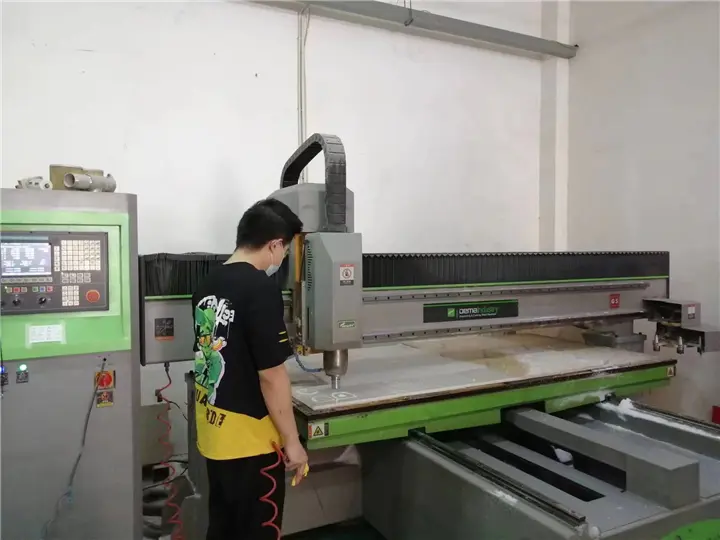
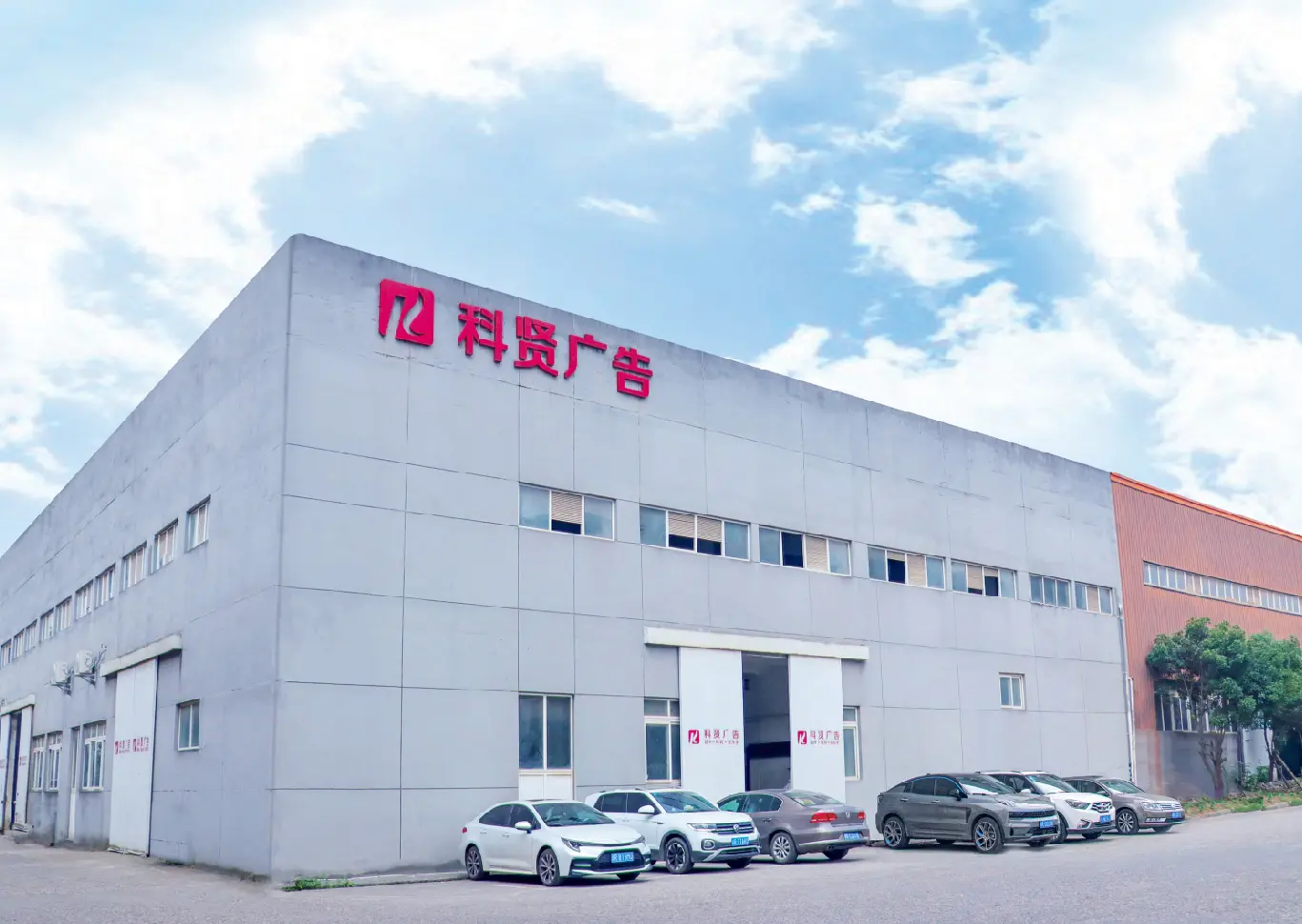
From a commercial standpoint, luxury retailers, banking institutes, legal firms, and five-star hospitality brands require signage that communicates restraint, prestige, and stability. Reverse-lit channel letters achieve this by utilizing structural metals like 304 or 316 marine-grade stainless steel, copper, or titanium, paired with high-performance backplates of optical-grade clear or frosted acrylic. In the Asian and Middle Eastern development zones, landmark towers utilize large-scale vertical exterior halo-lit branding that resists heavy winds and extreme thermal cycling, demanding structural rigidity that only specialized Chinese factories can engineer economically at scale.
2. Material Science and Manufacturing Protocols
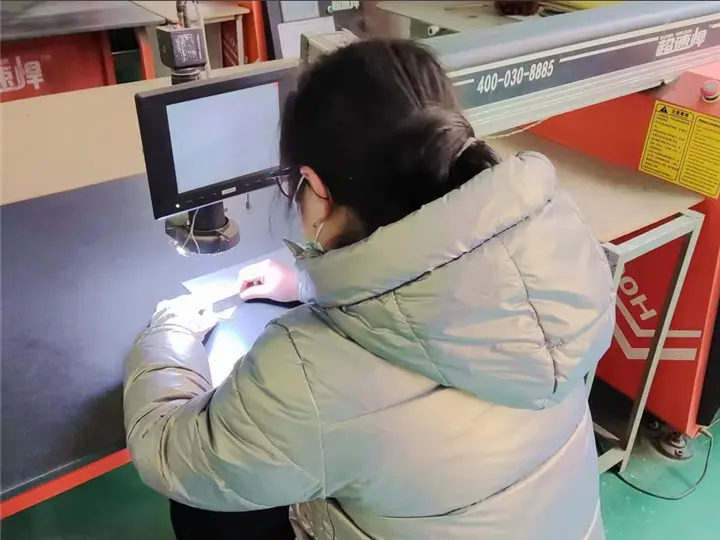
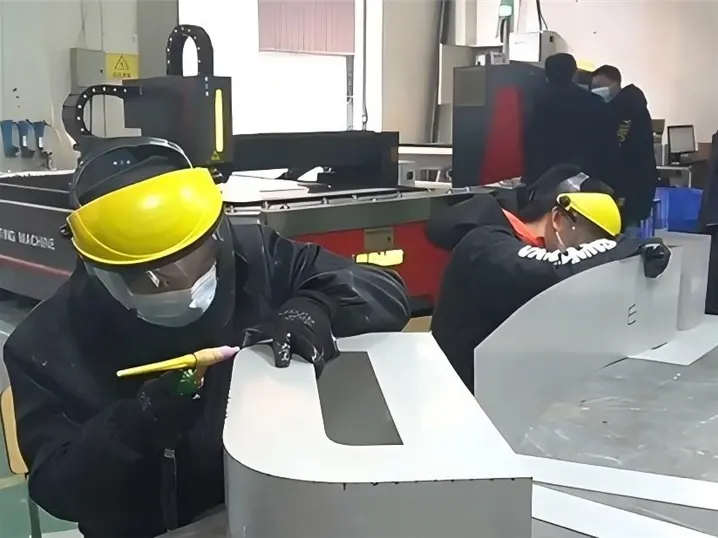
A reliable reverse lit letter is an assembly of two primary components: the opaque face and returns (the container) and the diffusing translucent backplate (the optics). The choice of materials dictates the structural integrity and corrosion resistance of the signage:
- Stainless Steel (Grade 304 vs 316): Standard installations utilize SUS304 stainless steel, offering excellent strength and rust resistance. For coastal environments or regions exposed to high atmospheric chemical concentrations (industrial zones), SUS316 marine-grade steel is specified due to its molybdenum content, preventing pitting corrosion.
- Aluminum Alloy: Used for large-scale roof letters where weight must be minimized to reduce wind-load stresses on supporting steel grids.
- Acrylic Diffusers (PMMA): Clear acrylic provides a distinct, concentrated ring of light, whereas frosted or milk-white acrylic diffusers scatter the light rays at wider angles (120° to 160°), producing a smooth, uniform gradient across the mounting surface.
| Specification Parameter | Standard Range | Kexian Heavy-Duty Upgrade Option |
|---|---|---|
| Return Material Thickness | 0.8mm - 1.2mm Stainless Steel | 1.5mm - 2.0mm Titanium / SUS316 |
| Light Source Type | Constant Voltage SMD 2835 LEDs | Constant Current Epistar / Samsung LEDs |
| Diffuser Thickness | 3mm - 5mm PMMA | 10mm - 20mm Solid Acrylic Crystal Plates |
| Waterproof Rating | IP65 (Splash Resistant) | IP67 / IP68 (Fully Sealed Resin Pouring) |
| Color Temperature Consistency | SDCM < 5 | SDCM < 3 (Strict Binning Control) |
3. Future Technology Roadmap: Next-Generation Backlit Systems
The signage industry is undergoing a digital integration wave. Future-proof signage designs must account for the following technological progressions:
A. Smart Dimming and IoT Integration
Integrating ambient light sensors and programmable DALI or DMX512 controllers allows halo signs to automatically adjust their lux output based on cloud conditions, sunset cycles, and localized municipal curfew hours. This reduces operating energy costs by up to 45% and extends the functional lifespan of the LED modules.
B. Constant Current Drivers vs. Constant Voltage
Traditional signs suffer from voltage drop, where the letters furthest from the power supply appear dimmer. Modern layouts utilize constant current LED circuits to ensure every letter from 'A' to 'Z' outputs the exact same candela per square meter, regardless of cable run lengths.
C. High-Definition RGBW Systems
Rather than simple RGB, advanced projects specify RGBW (Red, Green, Blue, True White). This allows corporate brands to maintain their strict corporate hex color codes during regular business hours, while possessing the agility to switch to dynamic color modes for festive events or national holidays.
4. Macro Industry Vertical Solutions
Signage requirements vary significantly across business sectors. Kexian's engineering team provides tailored solutions for the following target industries:
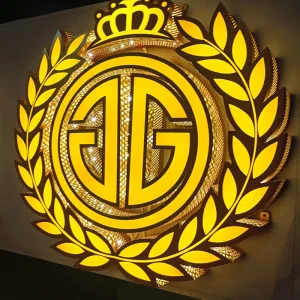
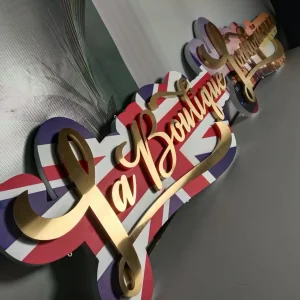
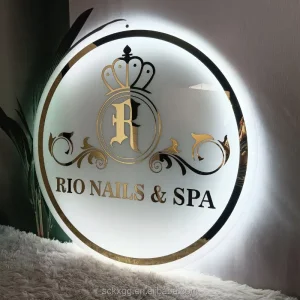
- Luxury Retail & Boutique Storefronts: Requires micro-welding for letters as small as 50mm in height. Typically utilizes brushed champagne gold titanium finishes with 15mm thick crystal acrylic backs to create a glowing base floating off the marble facade.
- Corporate Campuses & Headquarters: Large-scale, high-durability installations mounted on textured concrete or curtain walls. Requires structural engineering calculations for wind resistance and thermal expansion joints.
- Multi-Location Franchises & Retail Chains: Prioritizes shipping standardization, modular components (plug-and-play wiring harnesses), and strict color consistency matching the exact corporate brand guidelines globally.