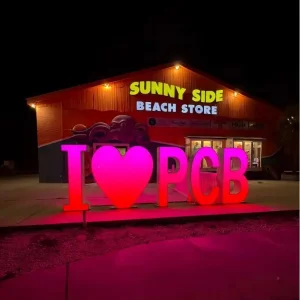
Premium outdoor free-standing structures custom-engineered to meet strict European wind loads and sub-arctic climates.
Within the scope of contemporary architectural branding, modern building facades, and public landmark design in Finland, non-luminous giant letters represent a highly critical element of corporate expression. Unlike illuminated signs which heavily rely on electrical infrastructures and constant energy draw, non-luminous configurations offer structural purity, architectural permanence, and zero operational maintenance overhead. This whitepaper analyzes the manufacturing frameworks, material durability characteristics, and deployment mechanics of high-grade dimensional architectural lettering within sub-zero, high-moisture Finnish zones.
Finland presents a unique set of geographic challenges. The country exhibits severe winter cycles, long-duration snow accumulations, and high-salinity coastal air, particularly in urban metropolises such as Helsinki, Espoo, Oulu, and Vaasa. Outdoor installations of non-luminous giant letters must survive continuous temperature variations ranging from -35°C in midwinter to +30°C during summer peaks.
Consequently, the physical stress factors acting on signs—including freeze-thaw cycles, high wind-gust loads on the Baltic coasts, and continuous UV exposure during the long Nordic summer days—mandate high-level industrial fabrication techniques. Normal commercial materials frequently experience stress cracks, paint peeling, or chemical degradation when subjected to Finnish sub-arctic exposures. Therefore, local engineering requirements call for Marine Grade 316 Stainless Steel, heavy-gauge structural aluminum alloys, and specialized polymer coatings that withstand high levels of thermal expansion and contraction without compromise.
Globally, the architectural dimensional signage industry is shifting from manually fabricated, low-precision letters to CNC-automated, fiber-laser cut, and robotic-welded structural systems. Modern production lines utilize multi-axis fiber laser systems to cut heavy-gauge metals with tolerances narrower than 0.05 mm, minimizing stress points along cut lines. Modern bending technologies utilize computerized mechanical gauges that accurately compute material elasticity and tensile resistance, preserving structural integrity at 90-degree corners. Furthermore, advanced powder-coating formulations coupled with high-temperature curing systems have drastically outpaced traditional liquid paint treatments, yielding high resistance to salt spray, mechanical scratches, and industrial pollutants.
Finland leads global sustainability initiatives. Kexian's non-luminous sign production practices prioritize 100% recyclable aluminum alloys and high-purity, lead-free raw materials. This ensures compliance with EU REACH and RoHS environmental standards.
Technical comparison of materials utilized for Finland's sub-zero architectural dimensional signage.
| Material Type | Common Thickness Range | Corrosion Resistance Class (ISO 12944) | Optimal Operating Temp | Recommended Applications |
|---|---|---|---|---|
| Marine Grade 316 Stainless Steel | 1.5mm - 5.0mm (Double Wall Welded) | C5-M (Very High Marine/Industrial) | -60°C to +80°C | Coastal municipal landmarks, seaside commercial parks, high-humidity environments. |
| Structural Architectural Aluminum | 2.0mm - 8.0mm (Reinforced Internal Ribs) | C4 (High Industrial/Coastal) | -50°C to +70°C | Large building-top letters, high wind-load ground pylons, corporate signs. |
| Acrylic / PMMA (High Impact Grade) | 10mm - 30mm (Solid Cut Dimensional) | C3 (Medium Urban Environments) | -40°C to +60°C | Protected shopping mall entrances, internal administrative signage, boutique storefronts. |
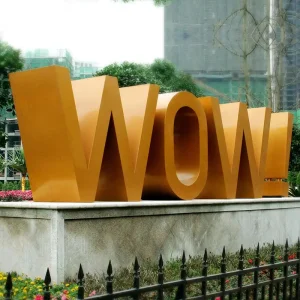
| Corten Steel (Weathering Steel) | 2.0mm - 4.0mm (Natural Oxidation) | C4 (Protective Patina Layer) | -50°C to +90°C | Public parks, architectural landscape markers, natural reservation landmarks. |
Exploring how custom dimensional lettering functions across various environments within the Finnish landscape.
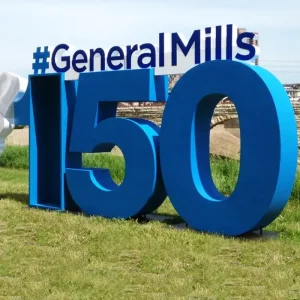
Cities like Oulu and Helsinki utilize free-standing non-luminous landmarks along their harbor spaces. These installations must survive high moisture, ice, and salt spray without degrading. We use heavy stainless-steel structures with chemical passivation layers to ensure long life.
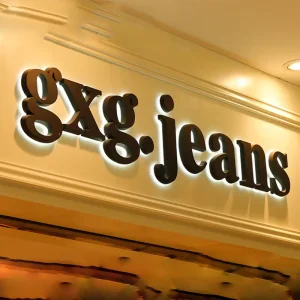
Espoo's technology corridors feature corporate campuses that demand modern, clean branding. Architectural non-luminous sign letters provide high-contrast shadows against building facades, offering clean visibility during the long Nordic twilight hours.
Tampere's logistics hubs utilize giant dimensional letters mounted on high walls. Without any electrical failures to worry about, non-luminous metal letters remain readable in all weather conditions, helping drivers identify facilities reliably.
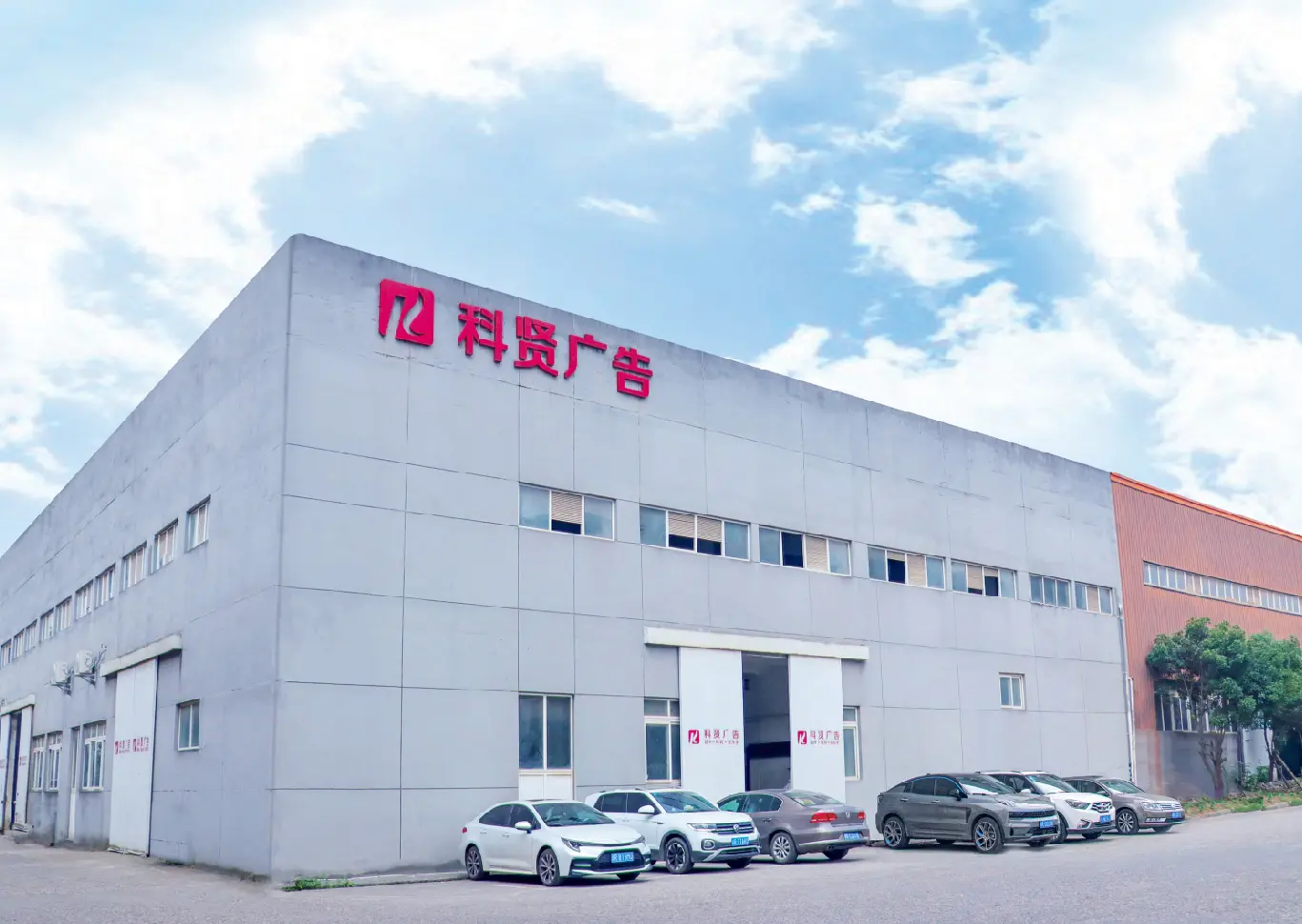
With an active manufacturing history spanning over 20 years, Kexian has established itself as an industry leader in high-performance outdoor architectural signage. Strategically operating from our specialized facilities in Sichuan, China, we integrate the complete workflow of design, CNC cutting, bending, robotic welding, surface finishing, and international logistics. Our primary goal is to provide our global business partners with a comprehensive, one-stop-shop manufacturing service.
Our expansive production footprint covers a 6,600 square meter factory, utilizing professional manufacturing tools to handle high-volume structural projects. Whether you are an architectural designer planning a municipal landmark in Finland or a contractor seeking bulk signage orders, our engineers work alongside your design team to construct signs that match your exact specifications.
Our product lineup is exported to over 100 countries and regions. We produce a wide range of signs, including large-scale LED letter signage, vintage marquee letters, outdoor lightboxes, custom neon signs, architectural pylon guide signs, and custom non-luminous dimensional metal letters. Every order undergoes detailed quality testing prior to container loading, ensuring seamless installation at the site.
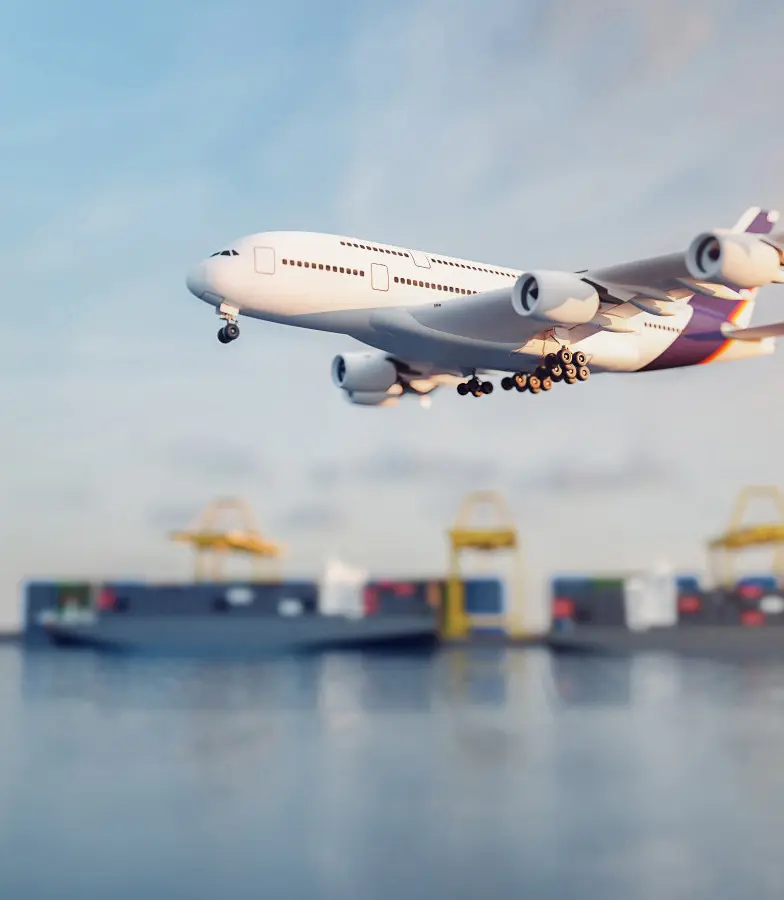
Our strong partnerships with international shipping leaders like DHL, FedEx, UPS, and ocean freight logistics companies allow us to offer secure delivery options directly to job sites throughout Finland.
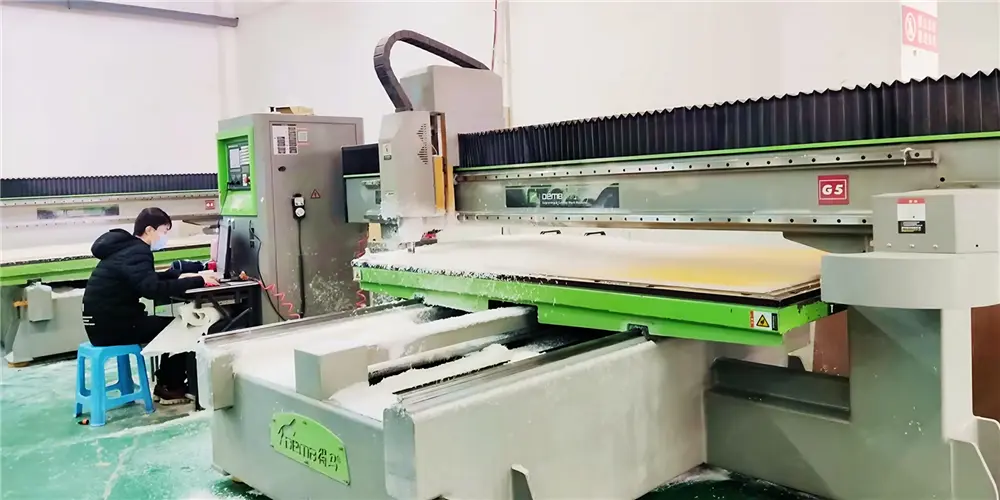
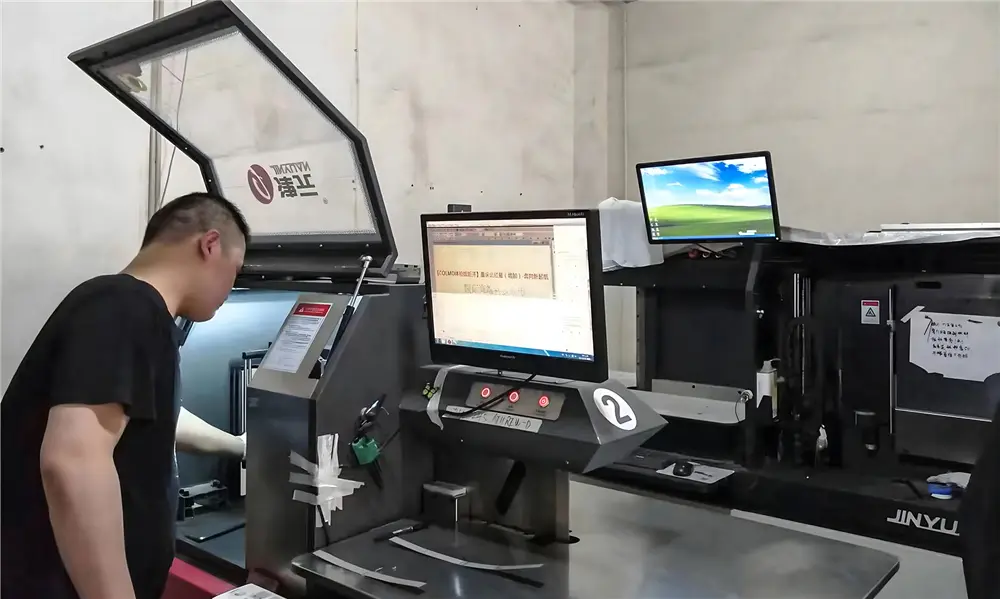
Our factory is equipped with advanced CNC, fiber laser, and robotic welding machinery to construct high-durability sign solutions.

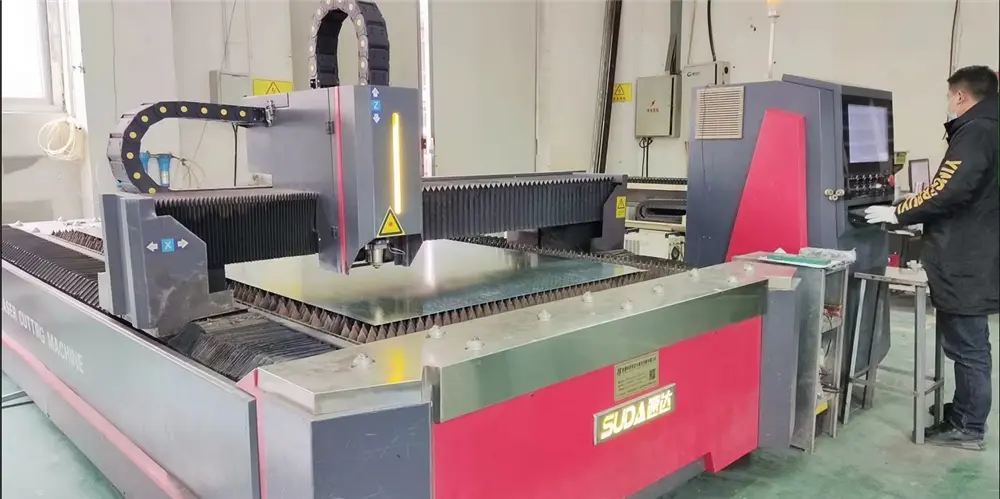
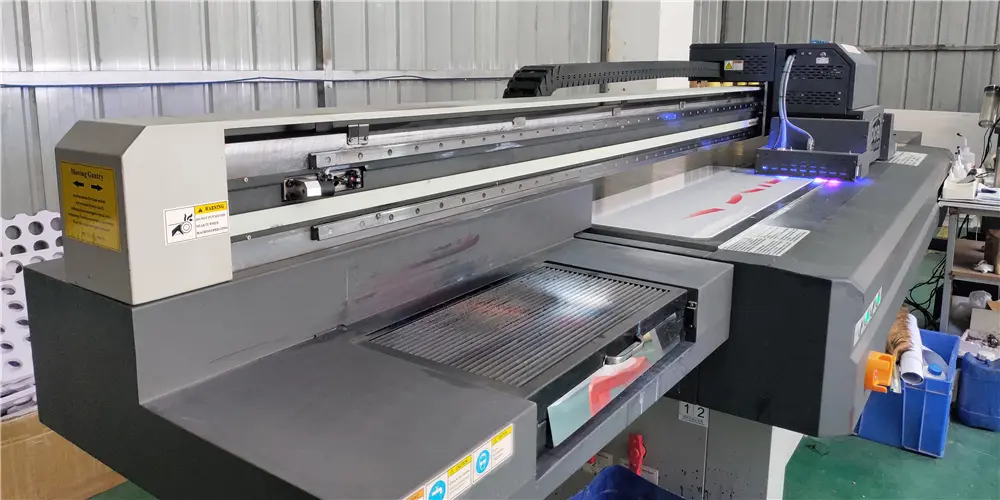
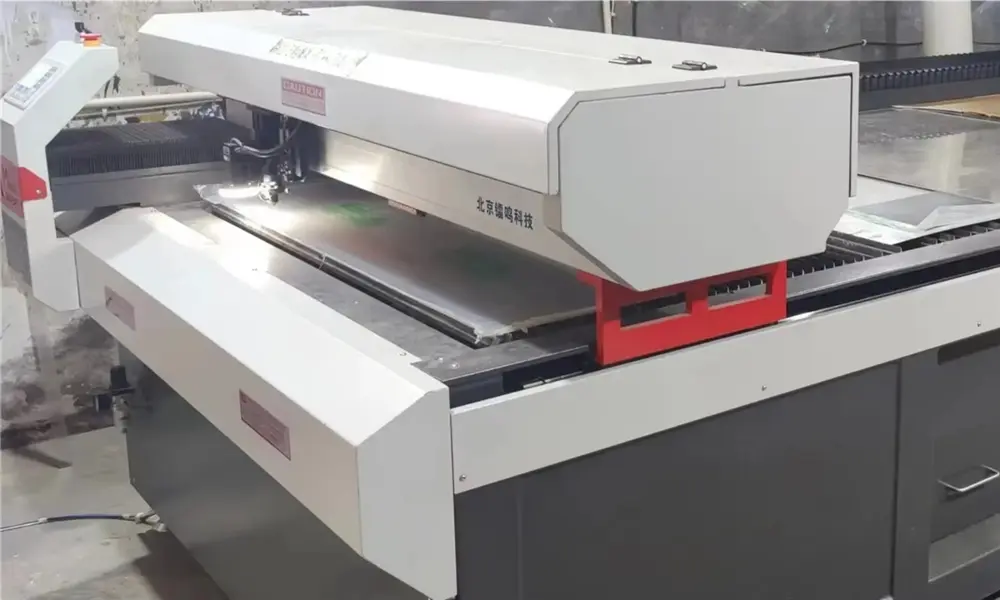
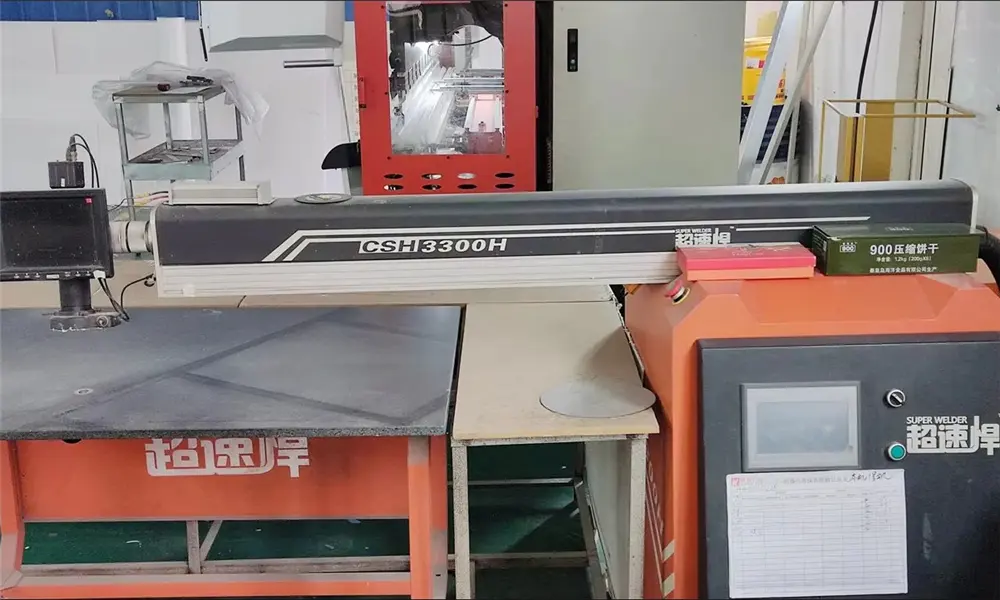
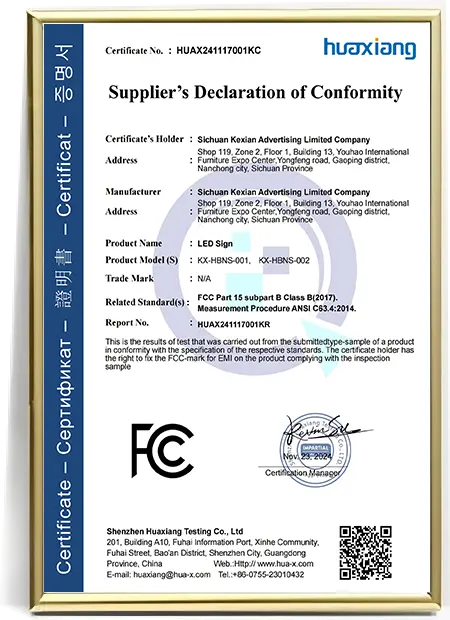
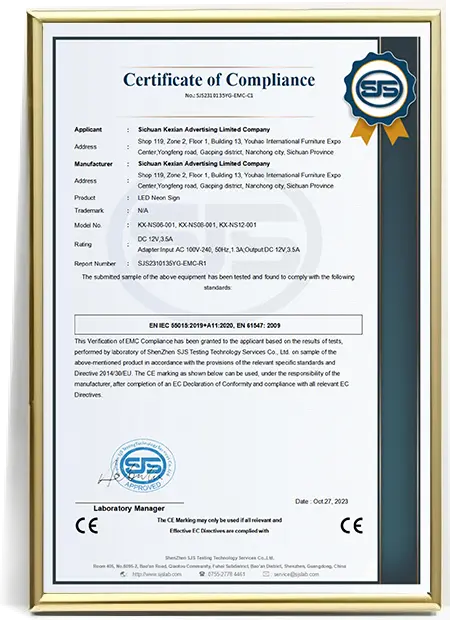
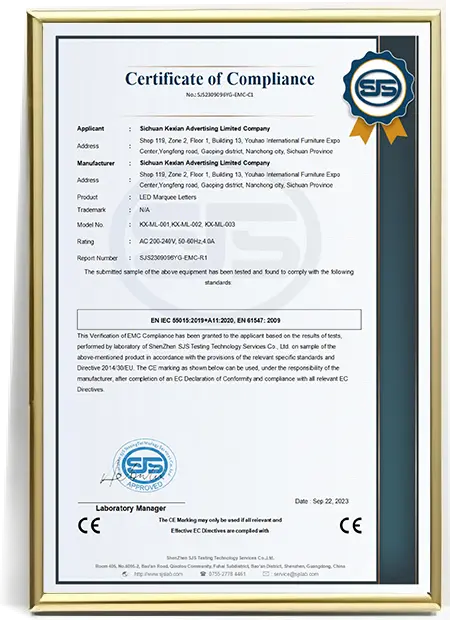
Our engineering systems align with major global safety, design, and environmental testing certifications.

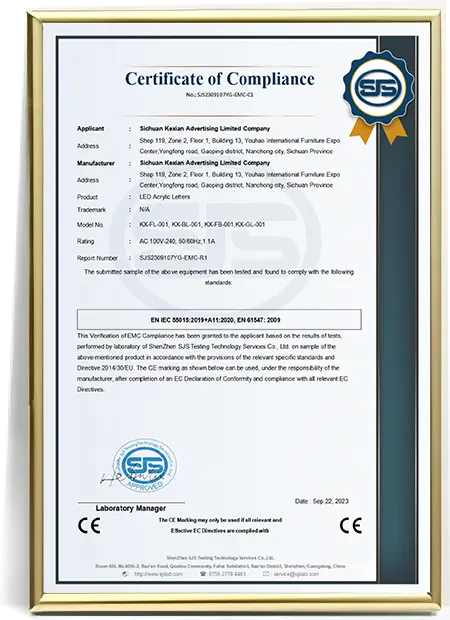
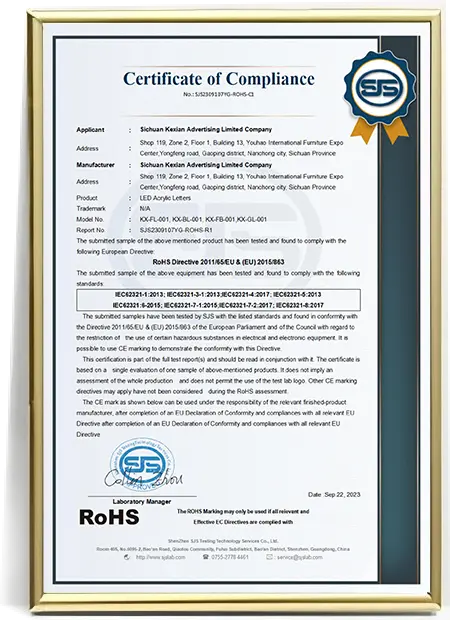
From design to delivery, we maintain full quality control over every step of production.
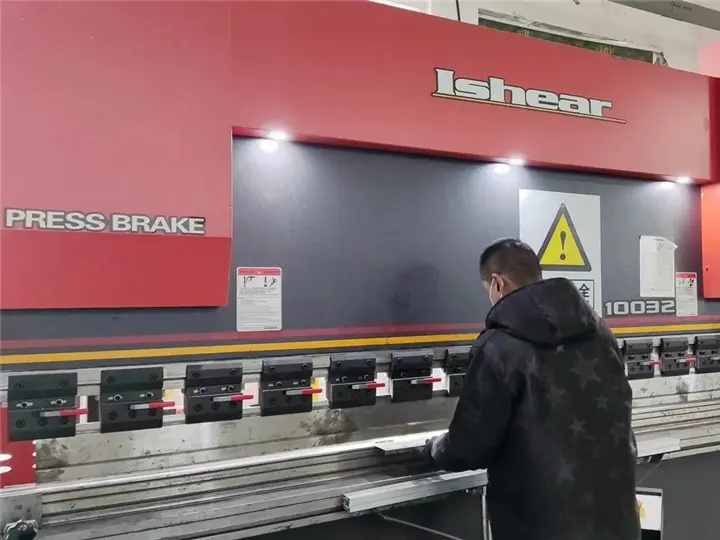
Bending
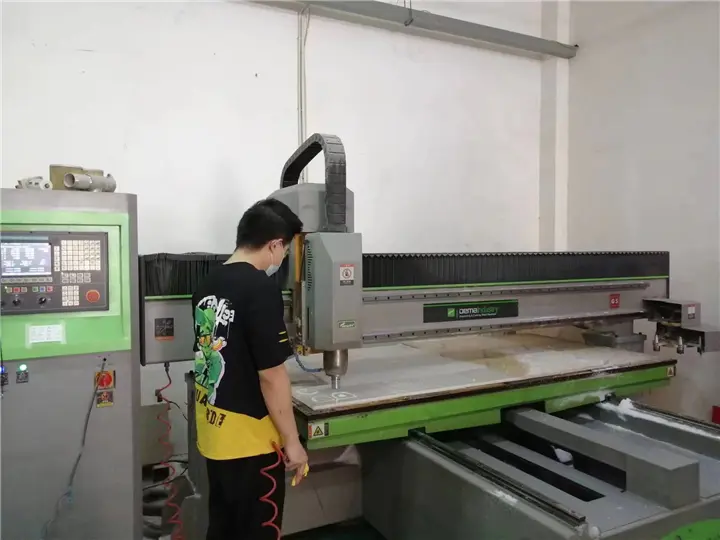
Cutting
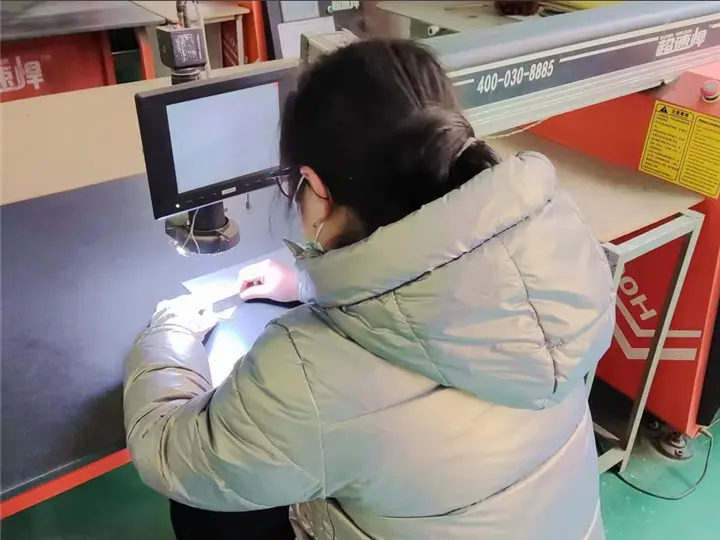
Laser Welding
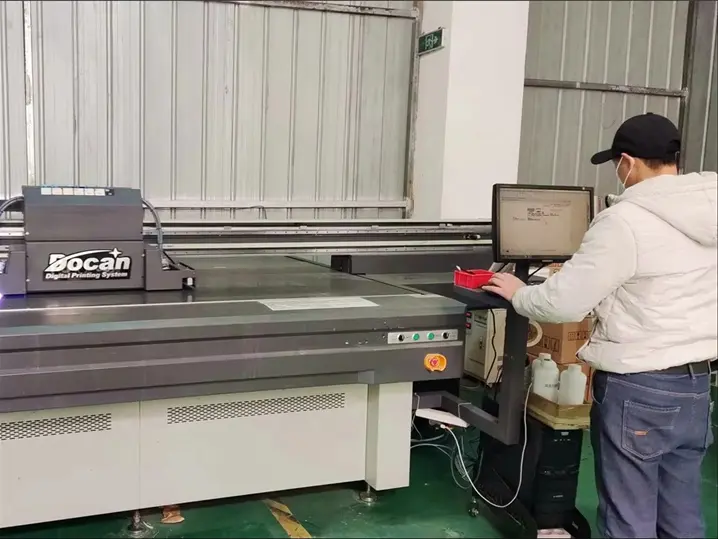
UV Printing
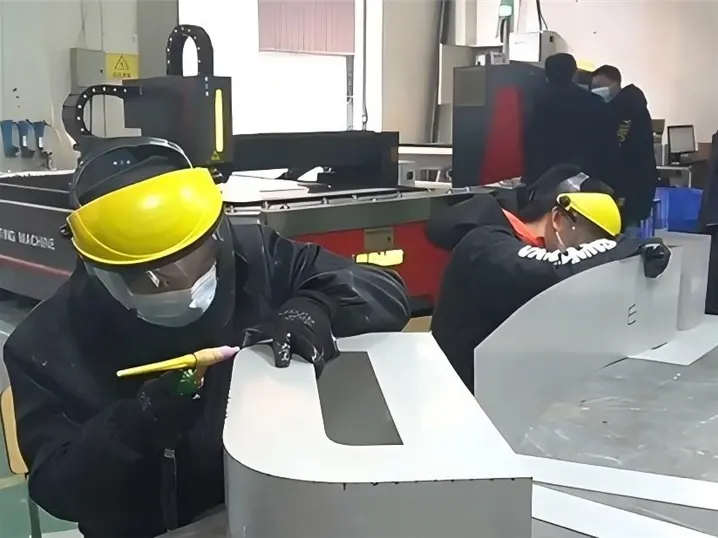
Welding & QA
Answers to common structural, logistics, and material questions about signs for the Finnish market.
We use high-grade marine metals and flexible polymers designed to expand and contract smoothly during temperature swings. Passivated joints and drainage holes prevent ice from forming inside the letters, avoiding structural damage during freezing weather.
We provide complete documentation, including mill sheets, declarations of conformity, CE and RoHS certificates, and commercial invoices to ensure hassle-free customs clearance and quick building permit approvals in Finland.
Our signs are designed using Eurocode 1 (EN 1991-1-4) standards, which account for wind speeds up to 32 m/s. We install internal structural reinforcements to ensure the signs remain stable in windy coastal areas like the Baltic Sea region.
Yes, our engineering team works directly with DWG, DXF, PDF, and AI files. We convert your design layouts into precise CAD instruction sets for our CNC and laser cutters, maintaining accurate scale and detail.
Explore our full line of weather-resistant signs, from large dimensional metal letters to modern hotel room plates.