
Engineered non-luminous signages and exterior grade letterings optimized for New York's harsh structural and environmental building codes.
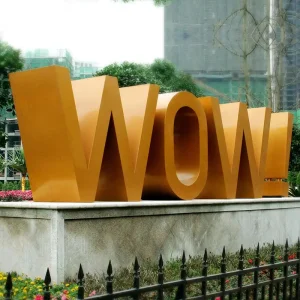
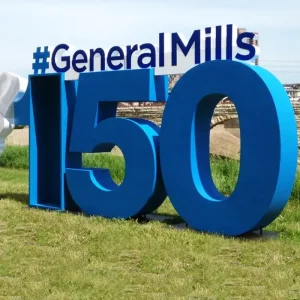
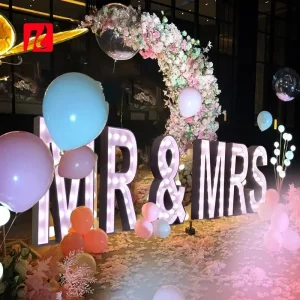
In the dense, competitive landscape of the New York metropolitan market—ranging from the high-street retail fronts of Manhattan’s Fifth Avenue to the industrial developments across Brooklyn and Queens—architectural signage plays a structural role in brand identity. Historically, illuminated signage dominated urban spaces. However, modern architectural trends and shifting municipal zoning ordinances (such as the NYC Department of Buildings historic district parameters) have driven a resurgence in non-luminous giant letters.
Unlike LED-lit letters, non-luminous structural signage relies heavily on physical depth, material shadows, and ambient light interaction. In historical preservation zones such as Soho or DUMBO, illuminated signs face heavy regulatory restrictions. Non-luminous giant signs constructed from high-grade metals—brushed titanium, powder-coated marine stainless steel, and raw bead-blasted aluminum—offer high aesthetic value while complying fully with local landmark commission preservation rules.
"By utilizing deep return depths and custom textured finishes, non-luminous lettering creates a highly organic visual weight that artificial illumination simply cannot replicate. In New York's highly selective commercial sector, this equates to increased brand trust and long-term durability."
When deploying signage at sizes exceeding 1.5 meters (5 feet) in height, structural physics and material selection become critical factors. Giant letters must withstand the severe wind load currents generated between skyscraper corridors (known locally as the wind tunnel effect in Midtown Manhattan) and the high humidity and salt spray of coastal New York. Fabricating these letters requires a deep understanding of structural metallurgy, internal framework reinforcement, and secure anchoring engineering.
Google's Search Quality Rater Guidelines prioritize Experience, Expertise, Authoritativeness, and Trustworthiness (E-E-A-T). For critical industrial manufacturing and large-scale architectural projects, buyers require technical certainty.
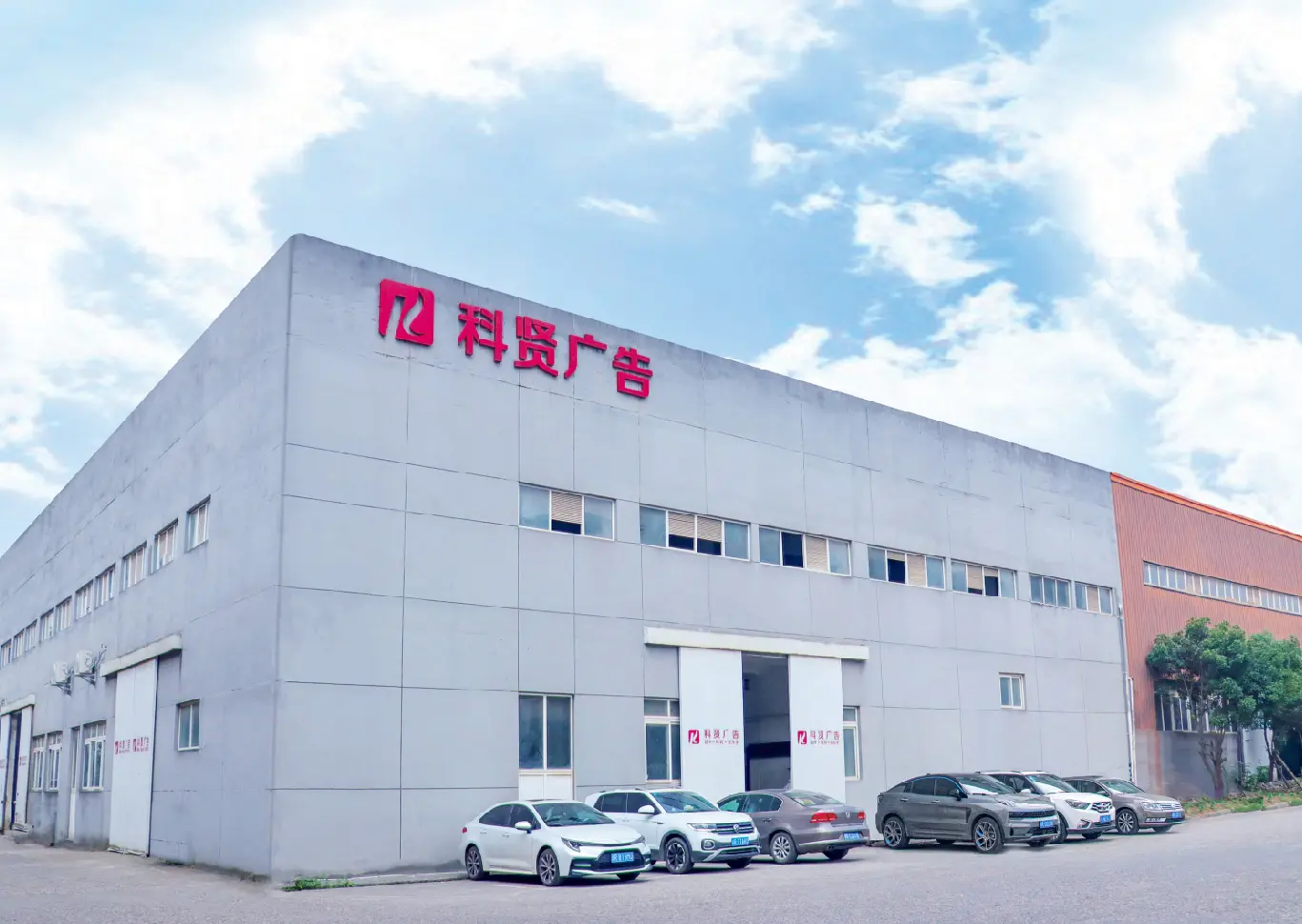
Decades of structural fabrication expertise backed by state-of-the-art machinery and international certifications.
The production of giant-scale non-luminous lettering is a complex architectural process. It begins with raw sheet metal selection and progresses to high-precision bending, mechanical framing, and finish optimization. Modern metallurgical science allows factories to control thermal expansion, wind deformation, and rust degradation.
Every giant letter is designed using advanced CAD software, simulating wind pressure tolerances (up to 110 mph, compliant with NYC structural rules) and structural anchoring points before physical cutting begins.
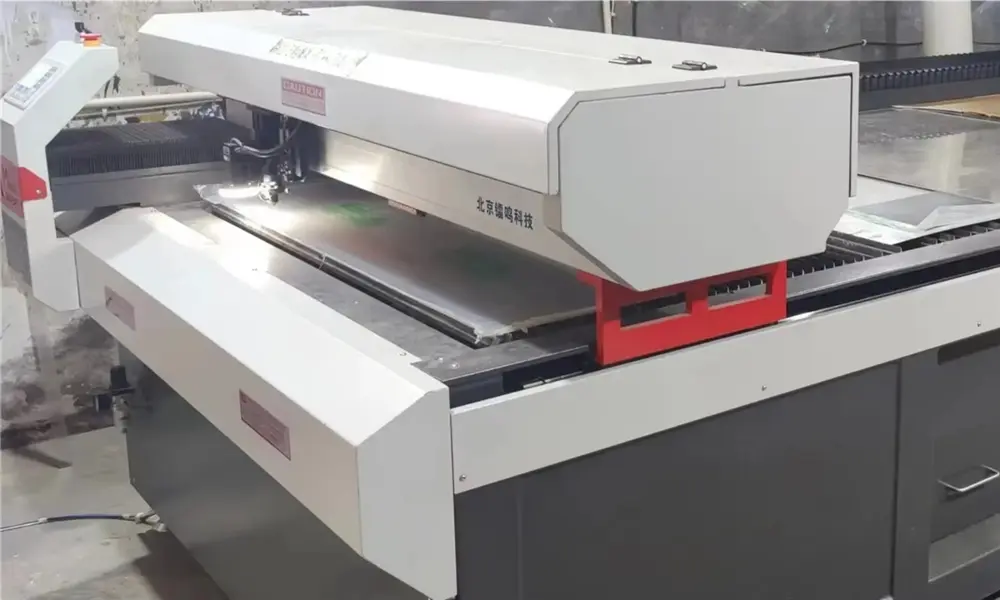
Using 10,000W metal fiber laser cutting systems, sheets of stainless steel or aluminum are sliced with tolerances within ±0.05mm, preventing edge micro-fractures and ensuring clean, razor-sharp geometric profiles.
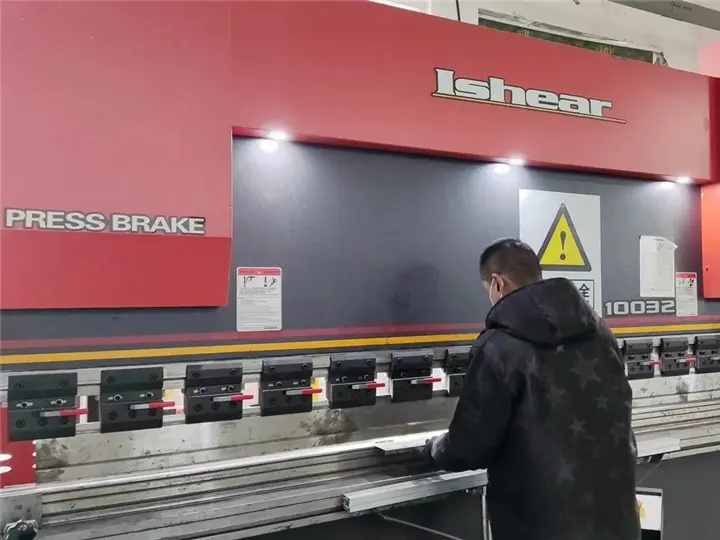
Computer-controlled heavy-duty side bending machines shape returns (depth panels) up to 200mm deep. Internal structural brackets are welded directly to the return channels to prevent buckling.
Laser welding systems seamlessly bond faceplate panels with returns. The joints undergo meticulous manual grinding and orbital sanding to achieve a monolithic, joint-free appearance.
Finished letters undergo chemical passivating followed by Fluorocarbon (PVDF) painting or PVD vacuum titanium plating. This creates a surface resistant to acid rain, UV radiation, and atmospheric soot.
Choosing the correct material substrate is crucial for signs intended to survive the harsh outdoor seasons of the US Northeast. The following technical comparison guide details properties useful for architects, designers, and project estimators.
| Material Substrate | Corrosion Resistance | Tensile Strength | Weight Factor | Best Architectural Use Cases |
|---|---|---|---|---|
| 316 Marine Grade Stainless Steel | Extreme (High Salt/Coastal) | High (515 MPa) | Heavy (8.0 g/cm³) | Waterfront installations, NYC Harbor fronts, premium retail facades. |
| 304 Industrial Stainless Steel | Excellent (Standard Outdoor) | Medium-High (505 MPa) | Heavy (7.9 g/cm³) | Midtown Manhattan building-mounted high-rise signs, shopping mall entrances. |
| Architectural Grade Aluminum (5000 Series) | High (Protective Oxide Layer) | Medium (220 MPa) | Lightweight (2.7 g/cm³) | Giant rooftop letter installations where building load limits apply. |
| Titanium-Plated PVD Metal | Extreme (Virtually Inert) | Very High (950 MPa) | Medium-Heavy | Luxury Fifth Avenue retail flagship stores, high-end corporate headquarters. |
While local fabrication in the New York tristate area offers proximity, it often carries high labor and manufacturing costs, extended lead times, and limited custom processing capabilities. By partnering with a large-scale, automated China Industry 4.0 factory like Kexian Advertising, procurement managers gain key strategic advantages:
"Using CNC-managed production schedules, Kexian delivers large-scale architectural metal lettering projects to New York job sites faster than local custom metal workshops, while offering up to a 40% cost reduction on high-end materials like titanium finish stainless steel."
Established in Sichuan, China, Kexian has grown into a leading global manufacturer with over 20 years of experience. We provide a full range of services from initial industrial design and metallurgical engineering to high-performance surface treating and secure worldwide logistics.
Whether you require high-end custom non-luminous giant letters for a Brooklyn storefront or large production runs for nationwide shopping malls, our engineering team works directly with your architectural drawings (DWG, DXF, STP format) to deliver high-quality signs.
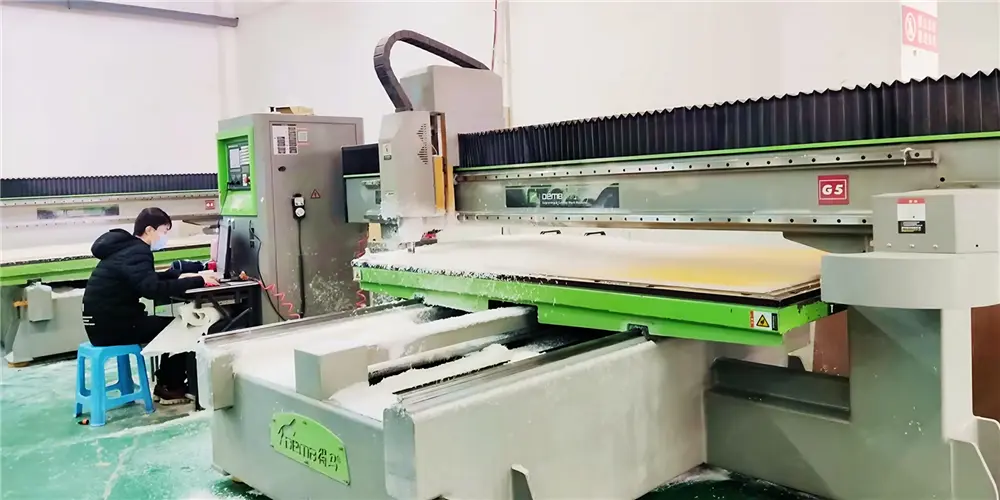
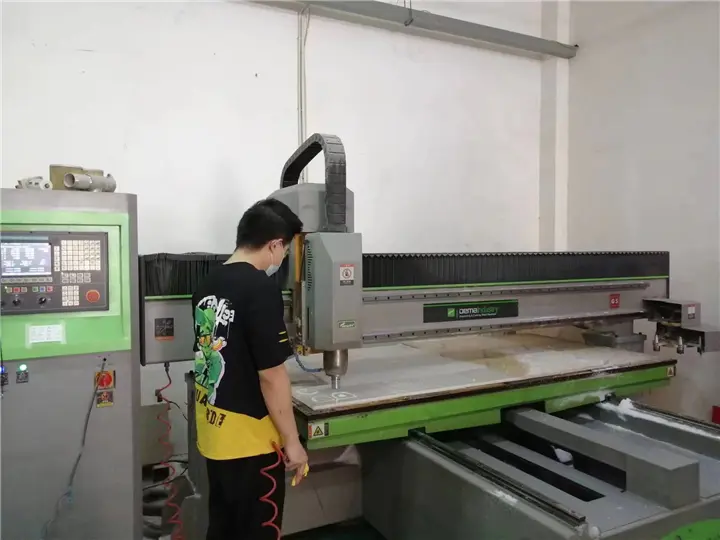
High-speed milling machine optimized for micro-precision signage components and acrylic templates.

Automated metal bending system for high-depth dimensional letter channels up to 200mm deep.
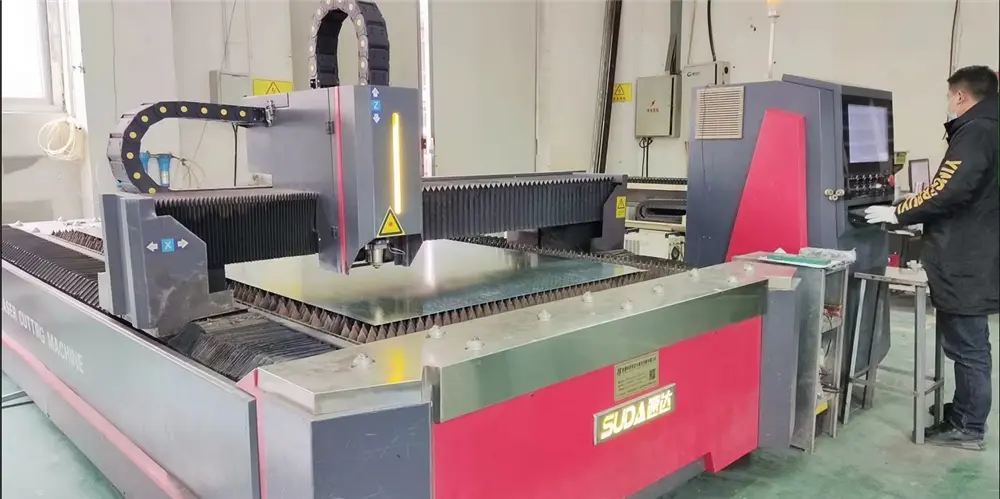
High-powered laser system designed for cutting stainless steel, carbon steel, and aluminum plates.
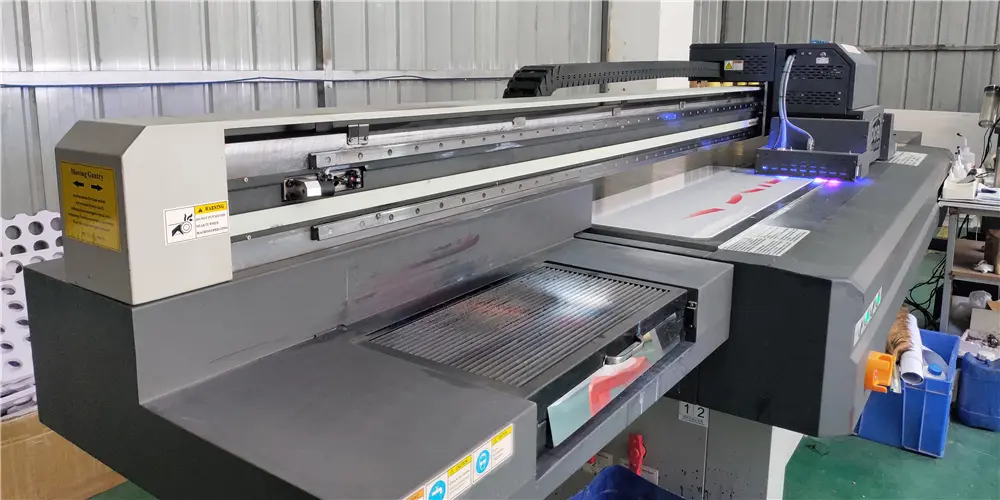
UV-cured direct flatbed printing system for applying custom graphics and textures to rigid substrates.
Laser system for clean, polished edges on acrylic components, stencils, and sub-panels.
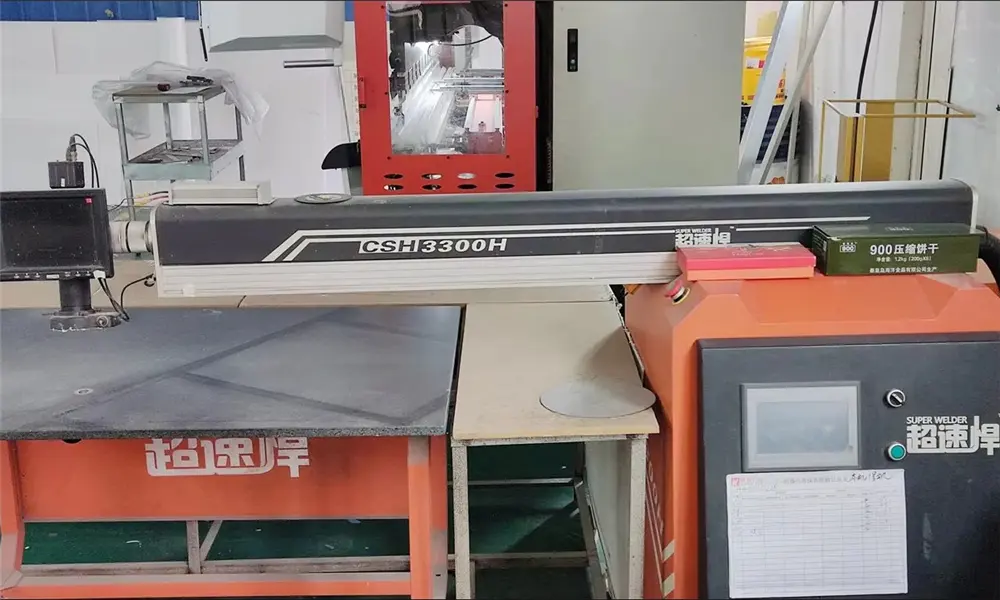
Robotic spot and seam laser welding that joins thin sheet metals without discoloration.
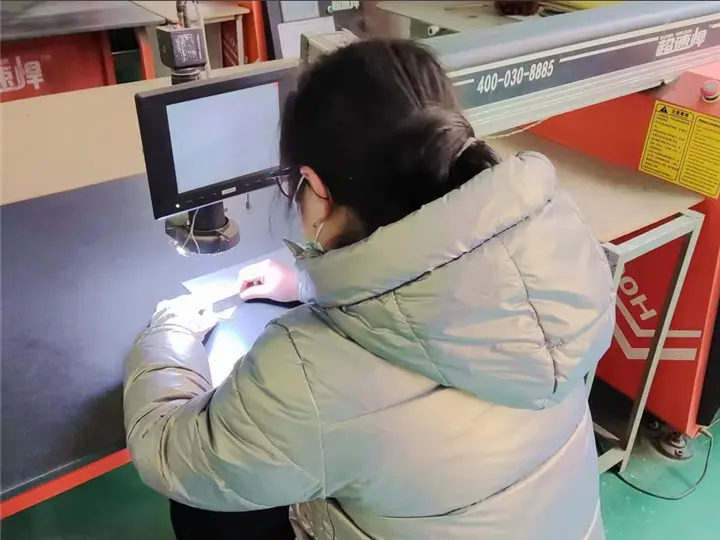
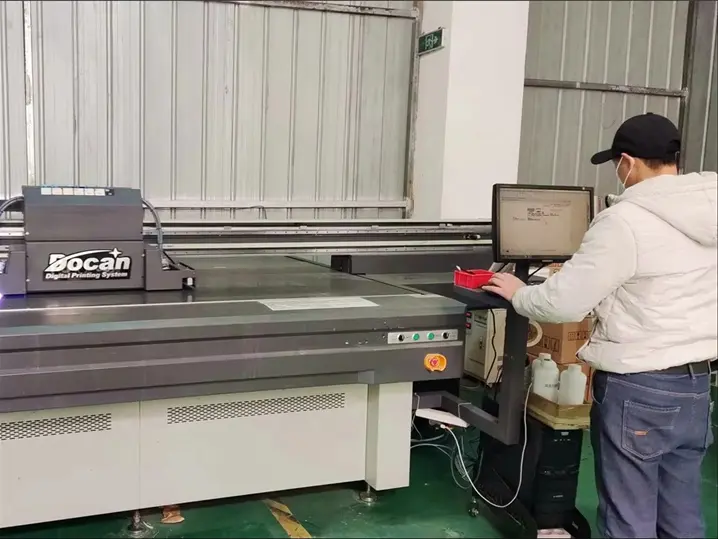
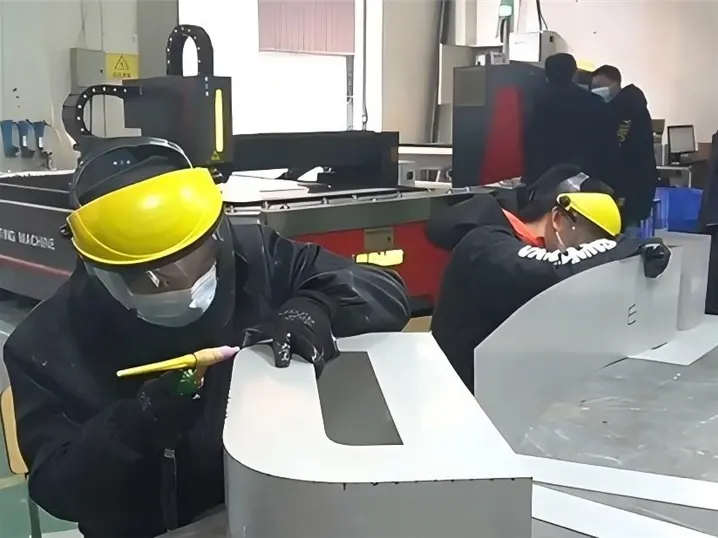
Our products undergo strict testing and comply with international manufacturing standards, meeting CE, RoHS, FCC, and UL certification requirements.

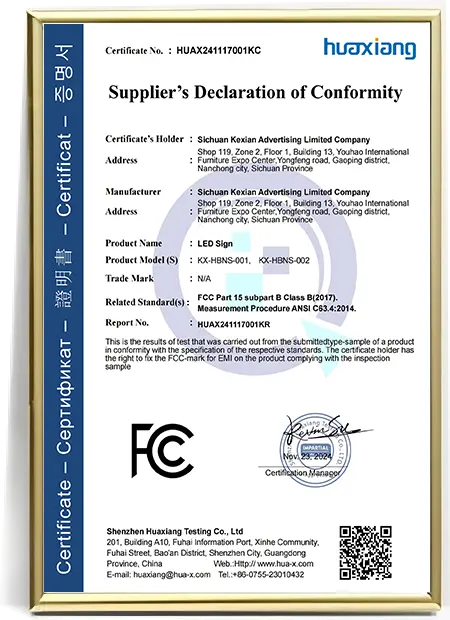
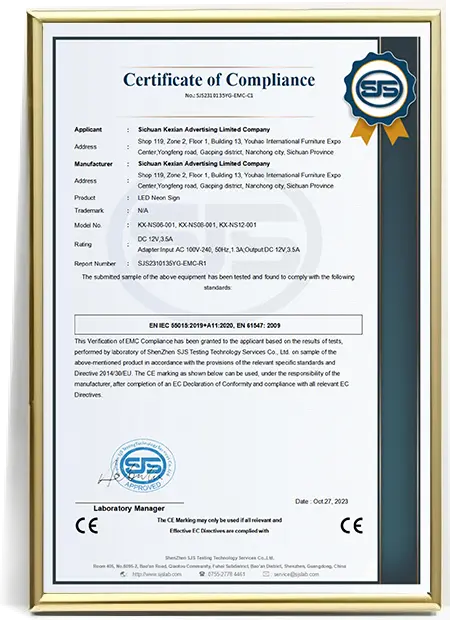
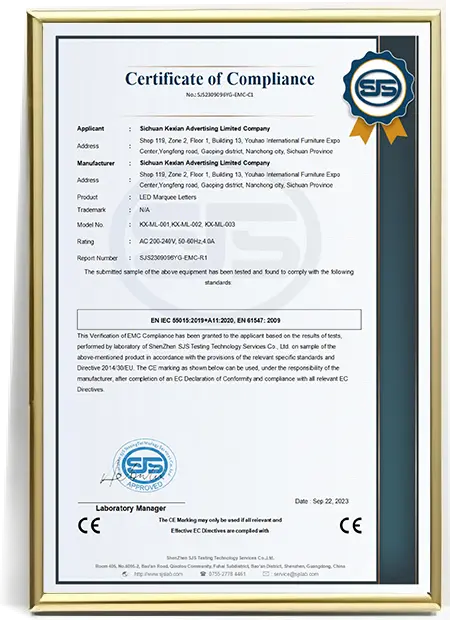
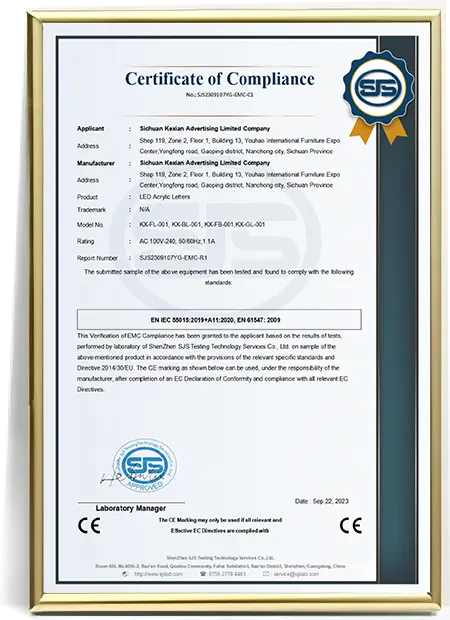
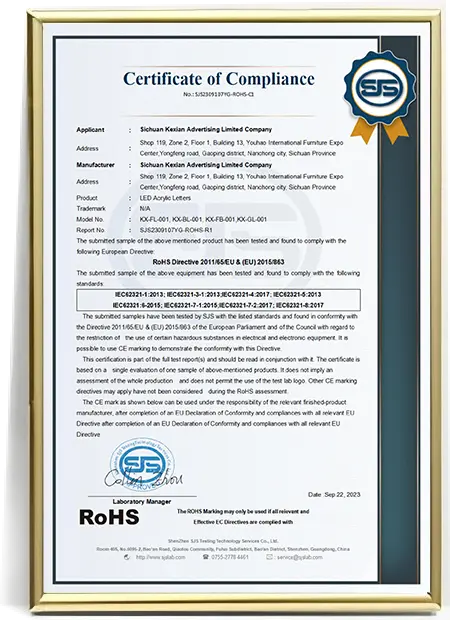
Installing architectural features in New York City requires strict adherence to local building codes. Chapter 32 of the NYC Building Code outlines guidelines for signs in the public right-of-way, projection limits over sidewalks, and wind resistance standards. Key compliance factors for importing and installing large-scale non-luminous lettering in New York include:
NYC Department of Buildings (DOB) regulations require structural engineering calculations for signs over certain dimensions and weights. Kexian supports this by providing detailed weight distributions, internal reinforcement drawings, and CAD mockups. Our structures are engineered to withstand the wind loads specified in ASCE 7, ensuring stability during extreme weather events.
For projects in historic zones overseen by the Landmarks Preservation Commission (LPC), non-luminous signs in natural metals like bronze, brass, or brushed stainless steel help meet local aesthetic guidelines. Our customization processes allow for precise matching of historic finishes.
Timely delivery is critical for New York construction projects. Working with international logistics networks, we offer flexible shipping options (DDP, CIF, FOB) to New York Harbor or direct delivery to job sites in the Bronx, Queens, Brooklyn, and Manhattan.
Common technical questions answered by our engineering and logistics teams.
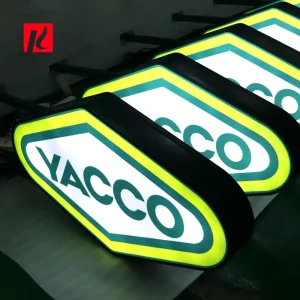
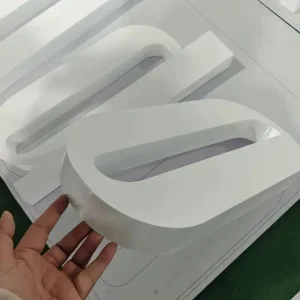
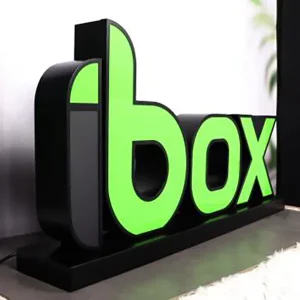
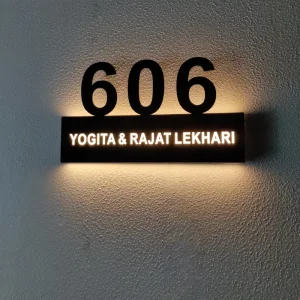
From architectural illuminated signages to heavy-duty industrial warning panels, browse our certified product line.
Get in touch with our engineering team for technical CAD verification, material recommendation, and factory-direct pricing for your installation site.